Why are teachers such effective villains in domestic thrillers? A look at chilling novels by Freida McFadden, Koren Zailckas, Zoë Heller, Muriel Spark, and J. Cronshaw.
Teachers occupy a position of automatic trust within families and communities.
They are granted access to children, private information, and emotional authority without question.
Domestic thrillers exploit this trust by placing danger inside an institution designed to protect.
When a teacher becomes the antagonist, the threat feels intimate, sanctioned, and terrifyingly plausible.
These novels use classrooms, staff rooms, and school gates as pressure points where power can be abused behind polite façades.
The Drama Teacher – Koren Zailckas
Gracie Mueller returns to deception when financial pressure threatens her carefully built life.
As a drama teacher, she operates in a space where performance is expected, allowing her to control how others see her.
The role grants trust and access, masking the instincts she once relied on to survive.
As her past pushes back in, the danger lies in how long the performance can hold.
Adoption is a powerful theme in domestic thrillers, tapping into fear, identity, and belonging.
This post examines five novels where adoption drives psychological tension and family conflict.
Adoption sits at the fault line between love, obligation, secrecy, and identity.
Domestic thrillers return to this theme because it places intimacy and fear inside the home, where safety should be absolute but rarely is.
Questions of ownership, blood, and entitlement carry emotional weight that feels both private and combustible.
When birth parents reappear, or when hidden truths surface, the family unit becomes the battleground rather than the backdrop.
These novels use adoption to test how fragile belonging can be when the past refuses to stay buried.
Her Daughter’s Mother by J. Cronshaw
Sally Bentham believes adoption has made her family secure, until her daughter’s new teaching assistant turns out to be the child’s birth mother.
Robyn Clarke appears kind, competent, and utterly trustworthy, quietly winning over parents, teachers, and Sally’s daughter herself.
As Robyn edges closer, Sally’s sense of reality begins to fracture, dismissed by neighbours and friends as paranoia.
Sally understands the truth long before anyone listens.
This dark domestic noir follows obsession and entitlement as a birth mother sets out to reclaim the life she believes should have been hers.
Nora Watts receives the call she has feared for fifteen years, telling her that the daughter she gave up for adoption has disappeared.
Dismissed by police as a runaway case, the search falls to Nora, who understands better than anyone what happens to vulnerable girls when no one is looking.
Haunted by her past and driven by reluctant care, she follows a trail through Vancouver’s streets and beyond, guided only by instinct and hard-won survival skills.
What begins as a search for a missing child becomes a confrontation with violence, deception, and buried guilt.
This psychological thriller frames adoption as an unfinished bond that resurfaces when it matters most.
My new domestic psychological thriller The Teacher is out now on Kindle, Kindle Unlimited, and Paperback—and you can grab it at a limited launch price of just £0.99 on Kindle.
Set in Bare Village on the Lancashire coast, The Teacher is a tense, character-driven story about a mother’s fight to protect her family when a trusted teacher turns her world inside out.
What it’s about
Isabel Draper has the perfect life. A loving husband. Two wonderful children. A respectable home by the bay.
Then her daughter’s new teacher enters their lives.
At first, Daniel Craven seems everything a parent could want—dedicated, inspiring, admired by everyone at the school. But when anonymous accusations, edited videos, and social-services visits begin to destroy Isabel’s reputation, she realises someone is watching her every move.
Her husband thinks she’s drinking too much. Her friends whisper behind her back. And her daughter won’t stop talking about her “favourite teacher.”
As her perfect life collapses, Isabel discovers the truth about Daniel’s obsession—and the dark secret that ties them together.
Why readers will love it
If you enjoy gripping domestic thrillers like The Couple Next Door, The Family Upstairs, and The Push, you’ll love The Teacher. Expect twists, betrayal, and that creeping sense of unease that builds until the final, shocking reveal.
Get your copy
You can download The Teacher on Kindle for just 0.99 (for a limited time) or read it free with Kindle Unlimited. Prefer print? It’s also available in paperback wherever Amazon delivers.
Discover the world of domestic noir in this in-depth guide. Learn what defines the genre, how it differs from psychological thrillers, explore essential domestic noir reads including Her Daughter’s Mother by J. Cronshaw, and get answers to common questions about this addictive style of suspense fiction.
Domestic noir has emerged as one of the most compelling subgenres in contemporary crime and suspense fiction over the past decade.
You’ve undoubtedly encountered it dominating bestseller lists, igniting passionate book club debates, and spawning gripping television adaptations that keep viewers glued to their screens.
How does it distinguish itself from the broader categories of psychological thrillers and domestic thrillers?
And which authors are shaping and defining this increasingly popular field?
In this exploration, I’ll unpack the essential elements of domestic noir—examining what it is, what it isn’t, and why it continues to captivate readers with its dark, intimate portraits of danger lurking within our most trusted spaces.
Defining Domestic Noir
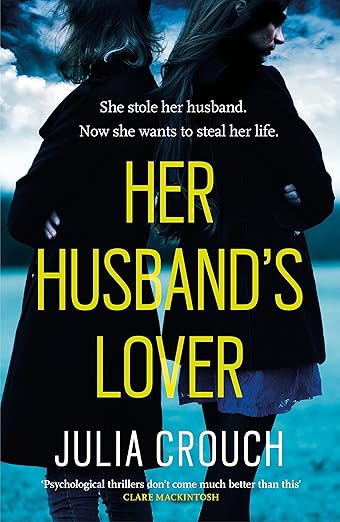
The term domestic noir was coined by British author Julia Crouch in 2013 to describe a particular strand of suspense novel that had been emerging without a proper name.
Unlike traditional crime stories that follow detectives, police officers, or hardboiled private investigators through mean streets and criminal underworlds, domestic noir turns the lens inward—focusing its unsettling gaze directly into the home.
At its core, domestic noir explores crime, betrayal, and danger as they unfold within families, marriages, and intimate relationships.
The conflicts are deeply personal, often centring on husbands and wives harbouring devastating secrets from one another.
These stories examine mothers and daughters locked in psychological power struggles that span generations.
They reveal neighbours whose friendly facades mask sinister intentions.
They introduce outsiders—lodgers, nannies, new friends—who infiltrate domestic spaces and threaten to destroy the fragile balance of a household.
In domestic noir, the most dangerous place isn’t a darkened alley or abandoned warehouse—it’s the kitchen where families gather for dinner, the living room where couples unwind after work, or the marital bed where trust should be absolute.
What Domestic Noir Is Not
Because domestic noir sits adjacent to other thriller categories, it’s frequently confused with them, making it worth clarifying what the genre isn’t.
Domestic noir isn’t a police procedural, despite sometimes featuring crime.
You won’t typically find detectives or investigators driving the plot forward with forensic evidence and witness interviews.
When the police do appear, they’re usually peripheral figures, called in only after the psychological damage has been done and the family unit has already fractured beyond repair.
It isn’t cosy crime, though both genres might feature everyday, familiar settings.
Where cosy mysteries offer comfort through their predictable restoration of order, domestic noir tends towards darker, more unsettling territory.
These stories often end without neat resolution, leaving readers with lingering unease rather than satisfaction.
Domestic noir isn’t pure romance, despite relationships forming the heart of every narrative.
The marriages and partnerships depicted are flawed, toxic, or outright dangerous rather than aspirational or redemptive.
Love in domestic noir is complicated by obsession, control, and betrayal.
Domestic Noir vs Psychological Thrillers
Understanding how domestic noir relates to the broader psychological thriller category helps clarify its unique position in the literary landscape.
The two genres frequently overlap, and many books can comfortably be described as both, yet important distinctions exist.
A psychological thriller is any story that places the human mind at the centre of its suspense.
This broad category might involve serial killers with complex pathologies, stalkers driven by obsession, or unreliable narrators whose perceptions we cannot trust.
The settings for psychological thrillers vary widely—from corporate offices to remote hotels, from psychiatric hospitals to wilderness cabins.
Domestic noir, by contrast, narrows its focus considerably.
The psychology remains central, but the domestic space—home, marriage, family—becomes the essential battleground.
Where psychological thrillers might paint across a wide canvas of locations and scenarios, domestic noir zooms in on the kitchen table, the school gate, the neighbourhood watch meeting.
Put simply, all domestic noir novels are psychological in nature, but not all psychological thrillers qualify as domestic noir.
The domestic setting isn’t merely backdrop in these stories—it’s integral to the horror.
Domestic Noir vs Domestic Thrillers
Another label you’ll frequently encounter is domestic thriller, and while the terms are sometimes used interchangeably, a subtle but meaningful distinction exists between them.
A domestic thriller tends to emphasise pace and external plot mechanics above all else.
These stories often feature missing children, explosive affairs, sudden betrayals, or shocking last-page twists that reframe everything that came before.
They’re thriller-first, domestic-second, prioritising momentum and surprise over atmospheric dread.
Domestic noir, conversely, leans harder into atmosphere, character psychology, and claustrophobia.
These narratives explore how lies corrode relationships over time, how trust unravels thread by thread in intimate settings.
They’re less concerned with what happens next than with why it’s happening and what it reveals about the characters involved.
Think of domestic thrillers as faster-moving, high-concept stories designed to keep pages turning at breakneck speed.
Domestic noir operates as a slower burn, darker and more emotionally grounded, interested in the accumulation of small betrayals as much as dramatic revelations.
Why Domestic Noir Works
Domestic noir resonates so powerfully because it taps into universal fears that transcend cultural and social boundaries.
Most readers will never face a serial killer or uncover an international conspiracy, but everyone understands the vulnerability inherent in family life.
The genre transforms the familiar into something threatening.
Home is supposed to be our sanctuary, the place where we can drop our guards and be ourselves.
When the threat emerges from within that safe space—from the spouse who shares our bed or the neighbour who borrows sugar—the effect is profoundly unsettling.
The stakes in domestic noir are intensely relatable.
Instead of world-ending catastrophes or political intrigue, these stories threaten what most people value most: a marriage destroyed by deception, a child manipulated against a parent, a reputation ruined by carefully planted rumours.
The everyday realism of domestic noir settings—suburban streets, school runs, supermarket aisles—allows readers to easily imagine themselves within the story.
We recognise these spaces because we inhabit them daily, making the intrusion of danger feel viscerally possible.
Betrayals and obsessions become exponentially more shocking when they occur between people who share meals, raise children together, or wave to each other over garden fences.
The Rise of Domestic Noir
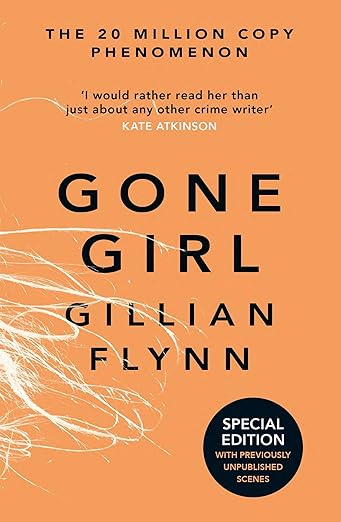
The genre truly exploded into mainstream consciousness with the global phenomenon of Gillian Flynn’s Gone Girl in 2012.
While Flynn herself never used the term domestic noir, her novel crystallised everything the genre could achieve: a toxic marriage dissected with surgical precision, unreliable narration that keeps readers constantly off-balance, and shocking revelations that emerge naturally from the domestic framework.
The novel’s success demonstrated an enormous appetite for stories that examined the dark underbelly of seemingly perfect relationships.
Following Flynn’s breakthrough, a wave of authors, particularly in the UK, embraced and developed domestic noir as a distinct literary category.
Publishers recognised the commercial potential, readers couldn’t get enough, and what might have been a passing trend solidified into an established genre.
The appetite for these dark domestic tales hasn’t diminished in the years since.
If anything, the genre has grown more sophisticated, with authors finding new ways to explore the tensions and terrors of home life.
Leading Authors in Domestic Noir
For readers looking to explore domestic noir’s depths, several authors have become synonymous with the genre’s best qualities.
Julia Crouch deserves recognition not only for coining the term but for writing some of its earliest and most influential examples.
Her novels Cuckoo and Every Vow You Break established many of the genre’s foundational elements.
Paula Hawkins achieved massive success with The Girl on the Train in 2015, a novel that has become almost as definitional to the genre as Gone Girl.
Her portrayal of obsession, alcoholism, and fractured domestic life resonated with millions of readers worldwide.
Louise Candlish has carved out a particular niche exploring neighbourly suspicion and suburban menace.
Her novels Our House and The Other Passenger excel at revealing the darkness lurking beneath respectable facades.
Lisa Jewell masterfully blends family drama with genuinely disturbing secrets.
Books like Then She Was Gone and The Family Upstairs demonstrate her ability to make ordinary family dynamics feel deeply unsettling.
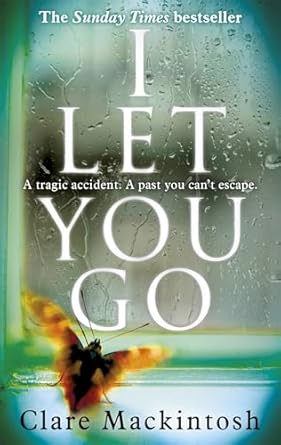
Clare Mackintosh brings exceptional emotional intensity to her thrillers, often centring on family tragedy and its far-reaching consequences.
Her work shows how domestic noir can be both suspenseful and deeply moving.
Sabine Durrant specialises in twisty narratives where seemingly ordinary relationships mask dangerous truths.
Her novels demonstrate how skilled plotting can enhance rather than overshadow character development.
BA Paris made an immediate impact with her debut Behind Closed Doors, which presents a classic domestic noir premise: the marriage that appears perfect from the outside but conceals horror within.
Key Tropes and Their Power
While every novel brings its unique perspective, certain tropes appear repeatedly throughout domestic noir, serving as the genre’s building blocks.
The unreliable narrator has become almost synonymous with domestic noir.
These narrators force readers to question every revelation, never quite trusting the voice guiding them through the story.
The intruder figure—whether lodger, nanny, teacher, or new neighbour—represents the threat that penetrates domestic barriers.
These characters exploit the trust inherent in domestic arrangements, using proximity to destroy from within.
The perfect marriage facade explores the gap between public presentation and private reality.
These stories reveal how couples can maintain immaculate appearances while their relationships rot from the inside.
The tension between paranoia and genuine danger keeps readers constantly uncertain.
Is the protagonist losing their grip on reality, or is there legitimate cause for their growing fear?
The claustrophobic setting—a house, school, or small village—creates pressure-cooker environments where there’s no escape from mounting tensions.
These tropes aren’t clichés when handled skillfully—they’re endlessly adaptable tools that skilled writers reshape for each new narrative.
Why Readers Keep Coming Back
The continued success of domestic noir lies in its ability to reflect everyday anxieties in heightened, dramatic form.
Marriage, parenting, friendship, neighbourhood dynamics—all provide fertile ground for suspense when examined through the genre’s dark lens.
At its best, domestic noir poses questions we’re often afraid to confront in our own lives.
How well do we really know the people closest to us?
What secrets might our partners be hiding behind their familiar smiles?
What if the danger we fear isn’t lurking outside but already sitting at our dinner table?
How far would we go to protect the people we love, and what would we sacrifice to maintain our carefully constructed lives?
Readers return to domestic noir because it provides both recognition and catharsis.
We see our own lives reflected in these pages—our own marriages, friendships, and family dynamics—but safely contained within fiction’s boundaries.
The genre allows us to explore our darkest fears about betrayal and deception while remaining secure in our reading chairs.
Final Thoughts
Domestic noir has evolved from a unnamed tendency in crime fiction to a firmly established genre with its own conventions, masters, and devoted readership.
It stands distinct from yet overlaps with psychological thrillers and domestic thrillers, offering readers uniquely dark, intimate stories about betrayal, obsession, and the frightening fragility of trust.
The genre’s power lies in its ability to transform the safest spaces—our homes—into sites of psychological terror.
If you find yourself drawn to books where long-buried secrets fester behind closed doors, where ordinary suburban homes conceal extraordinary lies, and where family life becomes the ultimate battlefield, then domestic noir offers exactly the kind of unsettling, addictive reading experience you’re seeking.
The genre shows no signs of losing its appeal because the fears it explores—betrayal by those we trust most, danger in the places we should feel safest—remain fundamentally, universally human.
As long as we continue to seek sanctuary in our homes and solace in our relationships, domestic noir will continue to remind us how easily that comfort can transform into horror.
Essential Domestic Noir Reads
If you’re looking to dive into the heart of domestic noir, these titles are a perfect place to start. Each one showcases the genre’s tension, intimacy, and unsettling look at family life.
Gone Girl by Gillian Flynn
The book that catapulted domestic noir into the mainstream. A toxic marriage, unreliable narrators, and a shocking twist that redefined the genre.
A chilling domestic thriller where an adoptive mother must fight to keep her daughter safe from the child’s manipulative birth mother. Perfect for fans of Lisa Jewell, Louise Candlish, and Shari Lapena.
Domestic noir is a subgenre of crime and suspense fiction that focuses on danger, betrayal, and secrets within the home or family. The conflicts are intimate—marriages, parenting, and close relationships—rather than centred on police investigations or global conspiracies.
How is domestic noir different from a psychological thriller?
All domestic noir novels are psychological in nature, but not all psychological thrillers are domestic noir. A psychological thriller might involve stalkers, serial killers, or conspiracies in any setting, while domestic noir specifically grounds the suspense in everyday life—kitchens, schools, bedrooms, and neighbourhoods.
Is domestic noir the same as a domestic thriller?
Not quite. A domestic thriller often prioritises pace and high-stakes external events (kidnappings, shocking twists). Domestic noir usually leans more on atmosphere, claustrophobia, and character psychology. The line can blur, and many books fit both categories.
What are the key themes of domestic noir?
Toxic relationships
Secrets between couples or families
Paranoia and mistrust
The “intruder” who disrupts family life (such as a lodger, nanny, neighbour, or ex-partner)
The dangers hidden in seemingly ordinary homes
Why is domestic noir so popular?
It resonates with readers because the fears it depicts are recognisable. Most of us will never face a serial killer, but we understand betrayal, the fragility of trust, and the fear of losing those closest to us. The genre turns ordinary life into something unsettling and addictive.
Who are the top domestic noir authors?
Well-known names include Gillian Flynn (Gone Girl), Paula Hawkins (The Girl on the Train), Lisa Jewell (Then She Was Gone), Louise Candlish (Our House), BA Paris (Behind Closed Doors), and Julia Crouch, who first coined the term “domestic noir.”
What kind of reader will enjoy domestic noir?
If you enjoy character-driven stories, shocking twists, and the unsettling sense that danger lurks behind closed doors, domestic noir is for you. Fans of psychological suspense, domestic thrillers, and dark family dramas will feel right at home.
Does domestic noir always involve murder?
No. While some novels do feature murder, others focus on lies, gaslighting, betrayal, or manipulation without anyone dying. The tension often comes from emotional and psychological stakes rather than purely physical danger.
Are domestic noir books always set in the UK?
Not exclusively, though many of the best-known examples are British. The genre works anywhere, as long as the focus is on intimate domestic settings. You’ll find authors from across the world writing in this style too.