Discover why author J. Cronshaw set his psychological thriller The Nanny’s Secret in Lancaster. From the River Lune to Dalton Square, explore how the city’s mix of warmth and shadows inspired this gripping domestic noir.
When I started planning The Nanny’s Secret, I didn’t have to look far for inspiration. I live in Morecambe, and Lancaster is part of my daily rhythm.
My son goes to school there. I meet friends in its cafés and pubs. I cross its streets so often that I sometimes forget how much atmosphere Lancaster holds—until I look at it through a storyteller’s eye.
It’s technically a city, but it has the scale and intimacy of a town. You can walk from one side to the other in less than half an hour. That closeness makes it perfect for a domestic thriller: a place where everyone knows each other—or thinks they do—and secrets travel fast behind terraced walls.
The Lancaster you’ll find in The Nanny’s Secret is the Lancaster I know. The Millennium Bridge over the grey, restless Lune. The canal towpaths winding under dripping stone bridges. Williamson Park, with the Ashton Memorial looming above like a silent witness. Dalton Square at night, where conversations turn sharp beneath Queen Victoria’s gaze. And Lancaster Castle, its walls heavy with centuries of judgement.
Lancaster changes with the weather. On bright days, it’s all Georgian charm and student chatter. When the rain rolls in from the Bay, it shifts—streets glisten, shadows stretch, and the city feels older, secretive, watchful.
That dual nature is what drew me to it. Lancaster can be welcoming and unsettling in the same breath. Respectable yet shadowed. It’s a place where the everyday can so easily turn ominous.
Behind closed doors, stories hide. And in Lancaster, the streets themselves seem ready to whisper them.
The Nanny’s Secret is out now on Kindle, Kindle Unlimited, and in paperback.
Start reading The Nanny’s Secret, a gripping domestic thriller by J. Cronshaw. Discover the tense opening chapter where a mother’s perfect new nanny begins to reveal her dark secrets.
The drizzle comes in sideways from Morecambe Bay, the kind that soaks you without seeming to try. It streaks the sash windows of our Victorian terrace, blurring the view of Scotforth’s quiet streets where students hurry past with their hoods up, rucksacks clutched against the November wind.
The castle bells toll faintly in the distance, their bronze voices carrying across Lancaster like a reminder that this place has been weighing people down for centuries.
Inside, the radiator clanks its familiar protest while Josh’s Fisher-Price garage plays its electronic tune for the hundredth time this morning. The sound should be cheerful—bright plastic optimism against the grey day—but it feels like mockery.
“Mummy, look!” Josh’s sticky fingers tug at my cardigan, leaving jammy prints on the navy wool. “Car is fast!”
I glance down at his chubby face, all earnest concentration as he pushes a red toy car up the plastic ramp. Four years old and already more focused than I manage most days.
“That’s lovely, sweetheart,” I murmur, turning back to my laptop screen where a half-finished logo design stares accusingly at me. The client—a boutique hotel in the Lake District—wants something “fresh but timeless, modern but authentic.” The brief makes my teeth ache with its contradictions, but the invoice will help with this month’s mortgage. If I can actually finish the bloody thing.
My mobile buzzes with another email notification. Probably another client chasing work I promised for yesterday, or the day before. The cursor blinks in the design software, waiting for inspiration that won’t come. Instead, I have Peppa Pig nattering from the television, Josh demanding attention every thirty seconds, and the persistent ache behind my eyes that’s become my constant companion since becoming a mother.
The kitchen still bears evidence of breakfast chaos—Weetabix cemented to Josh’s high chair, coffee rings on the work surface, his beaker knocked over and spreading orange juice across yesterday’s post. I catch it before it reaches the bills and mop quickly with a tea towel. Small victory.
I should have cleared it up hours ago. But the logo needs finishing, and Josh needs entertaining, and somewhere in between I’m supposed to be a functioning adult.
I stare out the window again, watching a young woman with perfectly styled hair stride past in a raincoat that probably costs more than I spend on clothes in six months. She moves with the confidence of someone who’s never sat in pyjamas until noon, paralysed by the weight of her own inadequacy.
The other mothers at Dallas Road Primary have that same assurance. Gemma Harding, who teaches at the grammar school and always looks like she’s stepped from a magazine spread. Sarah Whitworth, whose three children are permanently scrubbed and dressed in coordination. I bet she has a cleaner on speed dial.
They make motherhood look effortless, while I feel like I’m drowning in the shallow end.
I had plans once. A first-class degree in graphic design from Central Saint Martins, a portfolio that landed me work with decent London agencies. I was going to be someone who mattered, whose work meant something. Instead, I’m pushing thirty-five and designing logos for provincial hotels while my toddler wipes his nose on the sofa. The sofa he seems to believe is his personal handkerchief.
The guilt hits like a familiar punch to the stomach. Josh deserves better than a mother who resents her circumstances, who looks at him and sees everything she’s given up rather than everything she’s gained. He’s beautiful, bright, affectionate—a miracle I waited years for, went through three miscarriages to have. The silence of those hospital corridors still echoes sometimes, the crumpled scan photos I keep in my bedside drawer a reminder of what I nearly lost forever.
So why do I feel like I’m suffocating?
“Mummy sad?” Josh has abandoned his cars and is studying my face with the unsettling perception children possess.
“No, love. Mummy’s just thinking.” I reach out and ruffle his curls, soft as silk under my fingers. He leans into my touch, trusting and warm, and something loosens in my chest despite everything.
But he’s right, isn’t he? I am sad, tired, lost in a life that feels too small for the person I thought I was. The rain intensifies against the glass, and I imagine it washing the whole street clean, carrying me somewhere I can start again.
Outside, Lancaster carries on without me. Gulls circle inland from the bay, their cries sharp against the wind. Buses rumble past, filled with people who have somewhere important to be. The last time I went into town, Penny Street was crowded with students whose energy made me feel ancient at thirty-five, displaced in my own city.
I close my eyes and hear my mother’s voice, sharper now that she’s gone: “Don’t let people think you can’t cope, Emma. There’s no shame worse than that.” But I can’t cope, can I? I’m failing at the one thing women are supposed to do naturally, instinctively. Josh plays quietly beside me, and I wonder if he already knows his mother isn’t enough.
Daniel’s key turns in the front door at half past six, punctual as always. He appears in the doorway still wearing his suit jacket, his accountant’s uniform. His gaze sweeps the living room, taking inventory: the scattered toys, Josh still in his pyjamas from this morning, me curled on the sofa with my laptop balanced on a cushion.
“Daddy!” Josh scrambles up and runs to him, arms outstretched.
Daniel scoops him up, planting a kiss on his head before setting him down. “Hello, trouble. Been good for Mummy?”
“Look, car!”
“That’s great, son.” He turns to me. “Busy day?” His tone is carefully neutral as he looks at me, but I catch the slight tightening around his eyes, the way his voice caught when he spoke to Josh.
“The usual chaos.” I close the laptop, conscious of how little I’ve achieved. “How was work?”
“Fine. Good, actually. The Morrison account came through.” He loosens his tie, running a hand through hair that’s starting to thin at the crown. When he sits heavily in the armchair across from me, his shoulders sag. “Emma, we need to talk.”
Something in his voice makes me straighten. “About what?”
“You can’t keep doing this to yourself. To us.” He glances at Josh, who’s returned to his cars, then back at me. “You’re drowning, love. Josh needs structure, routine. You need help.”
The word ‘help’ lands like criticism. “I’m managing perfectly well.”
“Are you? When did you last leave the house? When did we last have a proper conversation that wasn’t about logistics or Josh’s needs?”
Heat rises in my chest. “I’m doing my best, Daniel. I’m working, I’m looking after our son—”
“I know you are. But it’s not sustainable.” His voice softens, which somehow makes it worse. “Other families on this street have nannies, childminders. There’s no shame in admitting you need support.”
“I don’t need—”
“Sarah Whitworth recommended someone. A lovely girl, apparently. Very experienced with early years.”
A stranger in my house, judging my parenting, reorganising my chaos according to their superior methods. The thought makes my skin crawl.
“No,” I say firmly. “Absolutely not.”
Daniel’s jaw tightens, but his voice stays gentle. “Then what’s your solution? Because this isn’t working, Emma. For any of us.”
Josh has gone quiet during our exchange, sensing the tension that crackles between his parents. He clutches his toy car and watches us with wide, uncertain eyes.
“I’ll sort it out,” I say, my voice smaller than I intend. “I just need to get into a better routine.”
Daniel nods, but I can see he doesn’t believe me. Neither do I, really. But the alternative—admitting I can’t cope, inviting scrutiny from some competent stranger who’ll see through my pretence in minutes—feels impossible.
After he’s gone upstairs to change, I sit in the gathering dusk with Josh curled against my side, his warm weight the only solid thing in a day that feels like it’s dissolving around me. The rain has stopped, but the windows still weep with condensation.
Josh breathes softly against me, his curls damp with sweat, and I press my cheek to the top of his head. Whatever happens, he is mine. I am his.
I tell myself I don’t need a stranger in my home, don’t need someone else to love my child better than I can. I’m his mother, his first love, the person responsible for keeping him safe and whole.
I hold him tighter, as if love alone will be enough to keep us safe.
Full-time author J. Cronshaw shares how his first domestic thriller, The Nanny’s Secret, began as a creative break after writing his epic fantasy series The Ravenglass Chronicles. Discover how he moved from wyverns to psychological suspense, creating a new pen name and a new direction for his writing career.
I’ve been a full-time author since 2018, publishing fantasy and speculative fiction since 2016. Most readers know me for The Ravenglass Chronicles, a sprawling epic fantasy series full of wyverns, assassins, and strange magic.
Over several years, I built an entire universe of interconnected stories—epics, novellas, side tales, and serials—all tied to my fictional Ravenglass Universe.
And in 2022, I decided to write something entirely different—a palate cleanser.
At the time, I was reading a lot of psychological thrillers. They’d become my comfort genre when I wasn’t deep in fantasy worldbuilding. I loved the tension, the secrets, the slow unravelling of trust between ordinary people. It’s a form of storytelling that hits close to home—less about saving kingdoms and more about saving face, marriage, or sanity.
That was how The Nanny’s Secret began.
I didn’t plan for it to go anywhere. It was supposed to be a one-off project, something fun to write before diving back into fantasy. I even told myself that no one would ever see it. After all, it didn’t fit my established author brand. I’d spent years building an audience for fantasy, and the idea of confusing readers—or having to start from scratch with a new pen name—didn’t appeal at all.
But something about writing The Nanny’s Secret felt different.
It was grounded. Real. Intimate. The story came easily, rooted in the kind of small-town settings I knew so well. It pulled from my experiences as a court reporter, from the cases and human stories I’d seen up close—people under pressure, lies unravelling, families falling apart behind closed doors. The world didn’t need dragons or magic to feel dangerous; the tension came from truth.
When I finished it, I thought that would be the end of it. But then I had another idea. And another. Before long, I’d written a second domestic thriller, then a third. Now, a few years later, I’ve written eight—and I’m currently working on my ninth.
At some point, I shared a few of them with a friend of mine who writes thrillers. He told me they were good—publishable, in fact—and that I needed to stop hiding them away. I explained that I didn’t want to confuse my fantasy readers, and that I didn’t want the hassle of building another brand from scratch.
His response was simple. “Drop your first name,” he said. “Make it J. Cronshaw. It’s still you, just different shelves.”
That small change opened everything up.
So here we are. The Nanny’s Secret is now out in the world under my new pen name, J. Cronshaw. It’s been both exciting and humbling to begin again from the ground up—building a new website, setting up social media accounts, creating a fresh newsletter, and reaching a completely new readership.
I was hesitant at first. It felt strange to be “new” again after years of being an established author. But it’s also been freeing.
These thrillers have given me a creative outlet that feels personal and immediate. They let me write about real places near where I live—Morecambe, Heysham, Lancaster—and draw from my own surroundings. I walk those streets, hear those accents, see the same coastal skies my characters do. Every story feels grounded in reality, not in distant kingdoms or imagined empires.
It’s a change of pace from wyverns and princesses, and I love it.
There’s something invigorating about rediscovering the thrill of being a beginner, but with the benefit of experience. I know the pitfalls to avoid this time. I know how to pace a story, how to connect with readers, and how to sustain a long-term creative life. That mix of newness and confidence has made this transition incredibly rewarding.
I can’t wait to share more of these thrillers with you. They’re stories I care deeply about—tales of secrets, lies, and the fragile edges of everyday life. And if the ideas keep coming at the rate they are now, I’ll be writing them for many years to come.
If you’d like to follow along with what I’m working on, you can listen to my Author Diary podcast, available on Spotify or any podcast app. I’ve been recording a weekly episode since 2017, talking about my writing, reading, and creative life—and I haven’t missed a single week.
It’s funny. When I started The Nanny’s Secret, I thought it was a one-off experiment. Now it feels like the start of something much bigger.
Unboxing by J. Cronshaw is a gripping psychological short story about a YouTuber whose obsession with viral content takes a dark turn when he receives a package containing his own childhood diary. A sharp, unsettling tale about privacy, exploitation, and the cost of living for views.
The box sat on my desk, its ordinary brown cardboard betraying nothing of its contents.
I adjusted my camera, checked the lighting, and scanned the chat window.
I checked the viewer count—28,521. Biggest stream yet.
“Welcome back, everyone,” I said to the camera, adopting the energetic tone that had become my trademark. “It’s Tyler here, and today we’ve got another anonymous submission for Boundary Box—the segment where I unbox the things people are afraid to show the world. But before we get going, hit like, subscribe, and smash that notification bell. If you’re ready for Boundary Box, let me know in the comments.”
TylerStan4Ever: YESSSS BOUNDARY BOX TIME
BoxMaster69: These are always fire
EthicallyQuestioning: This is literally why I subscribed
“Before we begin, huge announcement.” I paused for dramatic effect. “We’re just 2,500 subscribers away from the one million milestone. When we hit it, I’m planning something unprecedented—live unboxing of anonymously submitted personal diaries. Real, raw, unfiltered human stories.”
MorbidCuriosity: That’s messed up dude. I’m so in.
StreamQueen22: Isn’t that like…illegal?
KarmaCollector: Finally some good content on this platform
“Now for today’s submission.” I lifted the package, giving it a gentle shake near the microphone—a signature move that had become a fan favourite. “Remember, these are sent willingly to our P.O. box. I never solicit specific items. Whatever secrets emerge, the sender chose to share them.”
This disclaimer had become necessary since the divorce papers incident three months ago, when a viewer had sent her husband’s request for separation, complete with allegations of infidelity.
The video hit two million views before the husband’s lawyer contacted me.
I sliced through the tape with a pearl-handled letter opener—another signature touch.
My brand was built on these details—theatrical presentation of increasingly invasive revelations.
“Let’s see what we’ve got today.”
Inside the box lay a stack of letters bound with twine, yellowed with age.
“Correspondence.” I pulled out the bundle. “Looks like love letters based on the hearts drawn on the envelopes.”
I began reading the first letter aloud, a teenage girl’s passionate declaration of love to her boyfriend before he departed for university.
By the third paragraph, the content turned explicit, the writer detailing exactly what she missed about their physical relationship.
“Oh wow,” I laughed nervously, glancing at the chat going wild. “This is definitely monetisation-unfriendly content.”
I continued reading. The letters progressed chronologically, revealing the boyfriend’s gradual disinterest, the girl’s increasing desperation, her threats of self-harm if he abandoned her.
“Jesus.” I shook my head to the camera, eyebrow raised in a memeable pose.
The last letter contained a grainy sonogram image.
The girl was pregnant.
The boyfriend had blocked her number.
The chat scrolled too quickly to read individual comments, but the general sentiment was clear—they wanted more.
Always more.
I checked the viewer count—54,391. My highest ever.
“Well, that was intense,” I said, affecting the detached, slightly amused tone that had become my trademark. “Whoever sent these in, I hope you found some closure by sharing. Remember everyone, we hit one million subscribers, and we’re upgrading to full diaries. Make sure to hit subscribe and that notification bell.”
After ending the stream, I sat in silence, staring at the letters.
I should have felt something—guilt perhaps, or shame at broadcasting someone’s private anguish for entertainment.
Instead, I felt only the hollow satisfaction of good metrics, of engagement analytics trending upward, of another successful performance.
This was what my channel had become.
What I had become.
It hadn’t started this way.
Two years ago, I was just another tech enthusiast unboxing the latest gadgets, fighting for relevance in an oversaturated market.
Then came the accidental breakthrough—a package containing not the smartphone I’d ordered, but divorce papers mistakenly delivered to my address.
On a whim, I’d unboxed them on camera, reading aloud the clinical dissolution of a stranger’s marriage.
The video exploded overnight. Viewers wanted more boundary-crossing content, more voyeuristic thrills, more opportunities to witness private pain from a safe distance.
I gave them what they wanted.
First came the “Found Footage” series—unboxing second-hand phones and memory cards, displaying their forgotten contents.
Then “History Unwrapped”—purchasing unclaimed storage units and revealing personal artifacts, family photos, medical records.
Finally, “Boundary Box” emerged—a dedicated P.O. box where viewers could anonymously submit items too intimate, too controversial, too revealing for their owners to display publicly.
The growth was exponential.
One week later, I prepared for the milestone stream.
We’d passed one million subscribers three days earlier, and anticipation for the diary unboxing had driven my social metrics to unprecedented heights.
“Just confirming stream details for tonight,” my manager texted. “Legal wants to remind you about the disclaimer.”
I replied with a thumbs-up emoji and returned to sorting through the mountain of packages that had arrived since the announcement.
My P.O. box had overflowed—the postal worker had delivered everything directly to my apartment with a disapproving glance.
Most packages contained diaries as requested—teenage journals, travel logs, grief diaries, addiction recovery chronicles.
I’d selected five that promised maximum viewer engagement based on the brief descriptions included by their senders.
Three hours before the scheduled stream, a final package arrived—hand-delivered by courier, requiring signature.
No return address, just my name and a label: “PRIORITY – FOR MILLION SUBSCRIBER LIVESTREAM.”
I added it to the lineup without inspection.
Spontaneity generated authentic reactions, and authentic reactions generated viewership.
At 8 PM, I went live to an unprecedented waiting audience.
The viewer count started at 86,000 before I’d even appeared on screen.
“Welcome, everyone, to the million subscriber special!” I projected enthusiasm while scanning the overwhelming chat. “Tonight, as promised, we’re unboxing anonymous diaries—the ultimate boundary between public and private lives.”
I began with the safer selections—a backpacker’s travel journal with amusing cultural misunderstandings, a bride’s wedding planning diary with bridezilla moments, a food diary revealing a secret eating disorder.
Each generated increasing engagement, the viewer count climbing past 125,000.
“Now for something different.” I reached for the mystery package that had arrived last. “This came with special instructions to save it for last. The sender promises it contains ‘the ultimate unboxing revelation.’”
The package was heavier than expected, wrapped in plain brown paper.
Inside was a box made of dark wood, polished to a high shine, with no distinguishing marks or labels.
“Fancy presentation.” I turned it for the camera. “Let’s see what secrets hide inside such an elegant container.”
I lifted the lid slowly, building tension.
Inside lay a book bound in faded blue fabric, its edges worn from handling.
Something about it triggered a distant recognition, a vague unease.
“Looks like an older diary,” I said, removing it carefully. “No note from the sender, so we’ll discover its significance together.”
I opened to the first page and froze.
My own handwriting stared back at me.
“Property of Tyler Matthews,” read the childish script, followed by my old address and a date fifteen years earlier. “Private!!! Do Not Read!!!” was scrawled beneath in red marker, underlined three times.
“What the hell,” I whispered, forgetting the audience momentarily.
BoxMaster69: What is it bro you look like you’ve seen a ghost
EthicallyQuestioning: Is that YOUR diary??
MorbidCuriosity: Omg someone doxxed Tyler’s past this is epic
My adolescent diary.
My most private thoughts from ages thirteen to fifteen—my most awkward, painful, embarrassing years.
Years filled with rejection, humiliation, desperate attempts to fit in, shameful fantasies, and mortifying medical issues.
I slammed the book shut, mind racing.
Who could have sent this?
My parents had moved houses three times since then.
All my childhood possessions had been either discarded or stored in boxes that, as far as I knew, remained untouched in their attic.
The viewer count ticked higher—189,743.
“Seems I’ve received my own diary,” I said, attempting to laugh it off. “Very funny, anonymous sender. Great prank.”
StreamQueen22: READ IT READ IT READ IT
KarmaCollector: The unboxer becomes the unboxed!
TylerStan4Ever: Don’t chicken out now, this is your BRAND
They were right. This was my brand.
My entire channel was built on exposing private lives for public consumption.
Who was I to back out when the privacy being violated was my own?
“Alright,” I said, reopening the diary with shaking hands. “Let’s see what teenage Tyler was so desperate to hide.”
I began reading entries aloud, starting with relatively innocent material—complaints about teachers, music preferences, celebrity crushes.
The audience remained engaged but clearly hungered for more vulnerability, more exposure.
Then came the entries I’d dreaded.
The rejection by my first crush, detailed in mortifying specificity.
The nickname the popular kids had given me after I’d vomited during a class presentation.
The desperate measures I’d taken to fit in with peers who ultimately abandoned me.
The lies I’d told to seem more interesting, more experienced, more worthy of attention.
My face burned with each revelation, but I couldn’t stop reading.
The viewer count surged past 250,000.
MorbidCuriosity: HAHAHA what a loser
BoxMaster69: No wonder he became a streamer, compensating much?
EthicallyQuestioning: This is actually sad, I feel dirty watching
I continued mechanically, moving through the pages like an automaton, revealing my teenage self’s deepest insecurities, most humiliating moments, darkest thoughts.
Each word stripped away another layer of the carefully constructed persona I’d built.
When I finally reached the end, I closed the book with numb fingers and looked directly into the camera.
The chat continued its relentless scroll, but I no longer registered the individual comments.
The viewer count had reached 341,267—a personal record by a significant margin.
“Well,” I said, my voice hollow, “I hope that satisfied everyone’s curiosity.”
I ended the stream abruptly, without my usual sign-off, without reminders to subscribe, without enthusiastic promises of future content.
In the sudden silence of my flat, I stared at the diary.
Then at my reflection in the black screen of my monitor.
The stranger looking back seemed both unfamiliar and exposed—stripped of pretense, of performance, of the careful distance I’d maintained between myself and the content I created.
My phone buzzed with notifications—social media mentions skyrocketing, messages from my manager about trending status, collaboration requests from larger channels wanting to discuss the “viral diary moment.”
I had become the ultimate content. The ultimate unboxing.
When influencer Jenna livestreams a fatal accident, her follower count explodes overnight. But as she turns tragedy into content, a grieving daughter confronts her—and the line between authenticity and exploitation shatters. A gripping, unsettling domestic thriller about fame, guilt, and the price of going viral.
“Hey everyone, it’s your girl Jenna!” Her voice was pitched slightly higher than her natural speaking tone, a habit she’d developed over three years of content creation. “Just heading to a meeting with some exciting new brands, but thought I’d catch up with you all first.”
Jenna angled her phone camera carefully, ensuring the afternoon sun hit her face at the most flattering angle. A quick glance at the screen confirmed her appearance—flawless makeup, carefully tousled blonde hair, designer sunglasses perched atop her head. The engagement counter showed seven hundred viewers already tuned in to her impromptu livestream. Not her best numbers, but decent for a Tuesday afternoon.
“So many of you have been asking about my skincare routine after yesterday’s bathroom tour,” she continued, weaving through pedestrians on the busy London street, one eye on her phone screen and one on her path. “I’ve linked everything in my stories, but honestly, the secret is this incredible serum that—”
A screech of tyres interrupted her monologue.
Jenna instinctively swung her camera towards the sound, just as a black hatchback swerved around a double-parked delivery van. The car mounted the pavement several metres ahead, colliding with a middle-aged man in a grey suit who had been checking his watch.
The violence of the impact was staggering. The man’s body folded around the bonnet before being flung several metres, landing with a sickening finality on the pavement.
“Oh my God!” Jenna gasped, her carefully cultivated persona slipping as genuine horror overtook her. Her hand trembled, but she kept filming, capturing the immediate aftermath—the driver stumbling from the vehicle, bystanders rushing to the motionless victim, the spreading crimson pool beneath his head.
For thirteen excruciating seconds, Jenna stood frozen, broadcasting the scene to her followers. Then self-preservation kicked in. “I—I should call an ambulance,” she stammered, finally lowering the phone.
But before ending the stream, she glanced at the viewer count.
4,327 and climbing rapidly.
She dialled 999 with shaking fingers.
By the time paramedics pronounced the man dead at the scene, Jenna’s livestream had been viewed over fifty thousand times.
“It’s tragic, absolutely tragic,” Jenna said, her voice appropriately sombre as she addressed her camera the following morning. “I haven’t been able to sleep, just replaying those horrible moments…”
She paused, dabbing carefully at her eyes with a tissue, mindful not to smudge her mascara. The lighting in her flat was perfect—soft, forgiving, suggesting vulnerability without emphasising the puffiness from her genuine lack of sleep.
Her follower count had increased by seventy-three thousand overnight. Her management team had called an emergency strategy meeting at dawn, outlining the delicate balance required: appearing respectfully shaken while maximising the unexpected exposure.
“Many of you have asked if I’m okay, and honestly, I’m not,” she continued, allowing her voice to catch slightly. “Witnessing something so horrific changes you. It makes you realise how precious life is, how quickly everything can change…”
Her phone buzzed with incoming messages. Brands she’d been courting for months were suddenly eager to collaborate. News outlets requested interviews. Her existing sponsors asked for emergency calls to discuss “sensitivity concerns” while simultaneously increasing their offered rates.
The victim remained nameless in her narrative—a tragedy without identity, a plot point in her content calendar.
“I debated whether to even come online today,” Jenna said, the practised vulnerability in her voice belying the three takes she’d already recorded of this supposedly spontaneous reflection. “But I’ve always shared my authentic journey with you all, and hiding now would feel…dishonest.”
Her engagement metrics soared as she spoke. Comments flooded in, a mixture of sympathy, morbid curiosity, and the inevitable trolling. Jenna had learned long ago to focus on quantity rather than content—engagement was engagement, whether positive or negative.
“If you’re struggling like I am, I’ve found this herbal calming tea so helpful,” she added seamlessly, reaching for the branded package positioned just within frame. “I’ve linked it in my bio. Twenty percent off with code JENNA20.”
After ending the recording, Jenna stared at her phone screen for a long moment. A notification appeared—a message from her oldest friend, Elena: Can’t believe you’re monetising someone’s death. This isn’t you, Jen.
Jenna deleted the message without responding. Elena didn’t understand the influencer industry. Nobody did unless they were in it. This was simply maximising an opportunity. Business, not personal.
Still, when she closed her eyes that night, she saw the man’s body arcing through the air, his limbs at impossible angles, the concrete staining red beneath him. She posted about her insomnia at 3:17 AM, garnering another ten thousand followers before dawn.
“It’s been two weeks since that traumatic day,” Jenna said, walking along the same street where the accident had occurred. Her camera operator, newly hired since her follower count crossed the million mark, walked backwards before her, capturing her solemn expression against the urban backdrop.
She’d placed flowers at the impromptu memorial that had appeared at the site—a photogenic arrangement that matched her outfit, the moment carefully documented for her Instagram stories before beginning the main video.
“I’ve been on a genuine journey of healing,” she continued, her voice modulated to convey earnest reflection. “Each day brings new clarity, new perspective on what truly matters in life.”
What mattered, according to her analytics, was trauma content. Her standard beauty tutorials and lifestyle vlogs now performed poorly compared to any content referencing the accident. Her management team had crafted a twelve-week content strategy centred around themes of witnessing tragedy, processing trauma, and emerging stronger—each phase with its own sponsorship opportunities and merchandise drops.
“Being here again, at the spot where I saw a life end so suddenly…” Jenna paused, allowing her voice to waver. She’d discovered that looking down and to the left, then taking a shaky breath, created the most authentic-appearing emotion. “It reminds me that we must embrace every moment, pursue our passions without fear.”
Her new athleisure line would be announced next week, marketed under the tagline “Life Is Now.” The promotional images featured Jenna in contemplative poses, staring meaningfully into the distance.
Behind the camera, pedestrians passed by, some recognising her, others oblivious. None knew that she had started deliberately seeking out locations with higher accident rates for her daily vlogs, that she had developed a habit of lingering near emergency services with her camera ready, that she scanned each crowd for potential incidents that might capture audience attention.
“Someone asked me yesterday if I knew the man who died,” Jenna said, moving into the final segment of her planned video. “I didn’t. But in some ways, I feel connected to him forever. His last moments became part of my story, a chapter I never expected to write.”
The truth was, Jenna had actively avoided learning the man’s name. Her management advised against it—personalising the victim might create legal complications and limit her narrative flexibility. Better to keep him abstract, symbolic.
She was wrapping up the video, transitioning smoothly into a promotion for a meditation app that had sponsored the content, when a woman’s voice cut through the carefully orchestrated moment.
“His name was Robert Caldwell.”
Jenna turned to see a woman approximately her own age standing a few metres away. Her face was drawn, eyes rimmed with red, hands clenched at her sides.
“He was my father,” the woman continued, voice shaking. “And you’ve turned his death into content.”
The camera operator continued filming, capturing the confrontation. Jenna’s mind raced—this unexpected development could either destroy her brand or elevate it further, depending on how she handled the next few moments.
“I’m so sorry for your loss,” Jenna said, adopting her most compassionate expression. “This has been a difficult time for all of us who witnessed—”
“Witnessed?” The woman stepped closer. Jenna now noticed she was clutching a framed photograph. “You didn’t just witness it. You filmed it. You’ve been monetising it for two weeks. Your followers sent me links to your sponsored posts about ‘trauma healing’ products.”
The woman—Sofia, Jenna would later learn from the tabloid coverage of the confrontation—held up the photograph. It showed Robert Caldwell smiling with his arm around his daughter, both in graduation regalia.
“He was a lecturer in English literature. He volunteered teaching refugees. He was walking to meet me for coffee when he died.” Sofia’s voice cracked. “And you’ve never once acknowledged him as a human being. He’s just been your viral moment, your career boost.”
Something unfamiliar stirred in Jenna’s chest—genuine shame, perhaps, or the nearest approximation possible after years of performative emotion. For a fleeting moment, she saw herself through Sofia’s eyes: not a sympathetic figure processing trauma, but a vulture capitalising on tragedy.
“I never meant to—” Jenna began, but stopped as she noticed her camera operator giving her a subtle thumbs-up. He was still filming. This confrontation was becoming just another content piece, another performance.
Worse, Jenna realised she was already mentally composing the follow-up video she would make addressing this encounter, planning the tearful apology that would generate more engagement than anything she’d posted in months.
Sofia seemed to read this calculation in Jenna’s expression. “You’re doing it right now, aren’t you? Figuring out how to spin this.” She stepped back, disgust replacing grief on her face. “My father deserved better than becoming your stepping stone.”
As Sofia walked away, Jenna’s phone buzzed continuously with notifications. The livestream of the confrontation was already going viral, viewership climbing by the thousands.
Her management team called within minutes, not to check on her emotional state but to discuss strategy.
“This is gold, Jenna,” her manager said excitedly. “The redemption arc practically writes itself. We’re thinking a video series on making amends, perhaps a charity initiative in the father’s name. The engagement potential is enormous.”
Three months after the accident, Jenna’s following had stabilised at just over two million. The “tragedy content” had peaked and begun to wane in effectiveness. Her management team suggested a gradual pivot back to lifestyle content, with periodic “reflection” videos to maintain the narrative thread that had built her audience.
But Jenna had tasted true virality now. Regular content felt flat, engagement tepid compared to the spikes she’d experienced post-accident. She found herself growing increasingly restless, scanning each environment for potential drama, danger, anything that might capture audience attention.
On a Tuesday afternoon, exactly three months since Robert Caldwell’s death, Jenna returned to the accident site. She hadn’t planned a specific video but felt drawn there, hoping perhaps for inspiration, for some new angle to revitalise engagement.
She set up her tripod herself—she’d recently parted ways with her camera operator after creative differences about risk-taking in content. The memorial had long since disappeared, the flowers withered and discarded, the tragedy forgotten by all except those directly impacted.
“Hey everyone, it’s Jenna,” she began, her tone subdued yet expectant. “I’m back at the spot where everything changed for me three months ago. I’ve been reflecting a lot lately on how witnessing trauma changes a person, how it reshapes your perspective…”
Traffic moved steadily behind her. Engagement was modest—this reflective content no longer generated the spikes it once had. Jenna felt a familiar desperation creeping in, the fear of irrelevance that haunted every content creator.
Without fully consciously deciding to do so, she picked up her tripod and stepped back, closer to the road’s edge.
“I sometimes wonder what Robert was thinking in those final moments,” she said, using the victim’s name for the first time—a calculated decision meant to signal growth and respect. “Was he aware of what was about to happen? Did he have time to feel afraid?”
She took another step back, now standing at the kerb’s edge. The traffic behind her became a more prominent visual element in the frame. Her livestream viewers began commenting on her proximity to the road, some expressing concern, others excited by the perceived danger.
“There’s something about standing here, feeling vulnerable to the same forces that took his life,” Jenna said, her voice taking on an intensity that felt almost genuine. “It makes everything more real, more—”
A bus horn blared. Jenna, startled but seeing her viewer count suddenly spike, took another half-step back. Her heel dipped off the kerb.
“This is where he stood,” she said, pivoting to capture the traffic rushing past behind her. “This exact spot. One moment alive, the next—”
The impact was instant and absolute.
Her phone flew from her hand but continued broadcasting, landing at an angle that perfectly captured her broken body on the tarmac, the gathering crowd, the horrified faces of witnesses.
For seventeen seconds, the livestream continued in silence.
Step inside the opening chapter of The Teacher, a tense and gripping domestic noir by J. Cronshaw. Out now on Kindle and Paperback from October 11, this preview introduces Isabel Draper, a mother juggling family, secrets, and an unsettling new teacher at her children’s school.
The rain comes at the windscreen like it’s got a personal grudge against Parents’ Evening. Chris drives through it with his usual caution, hands at ten and two, checking his mirrors every three seconds like he’s transporting nuclear weapons instead of his semi-functional family.
“Christ, love, any slower and we’ll be reversing,” I say, but there’s no bite in it. Just the familiar dance of a Tuesday evening, me needling him while he pretends not to hear.
The wipers squeak their protest across the glass, and I press my fingers to my temples where last night’s Sauvignon Blanc has left its calling card. Not a hangover exactly—I don’t get hangovers anymore, haven’t for years. Just a faint muzzy feeling, like looking at the world through clingfilm.
“We’re not late,” Chris says, indicating left with the kind of precision that makes me want to scream or laugh. Sometimes both. “Plenty of time.”
In the back, Harry’s got his headphones clamped over his ears, eyes closed in that teenage way that says ‘I’m not here, this isn’t happening, you people don’t exist.’ His school jumper’s already twisted, collar askew. Fifteen years old and still can’t dress himself properly, though God knows he can dress down his parents when the mood takes him.
Beside him, Olivia practically vibrates with excitement, her neat ponytail bouncing as she peers between our seats. “Do you think Miss Sharpe will say nice things about my History project? I got nineteen out of twenty. Chloe only got seventeen.”
“I’m sure she’ll be thrilled, sweetheart.” I reach back to squeeze her knee, my bright girl, my easy one. Twelve going on forty, that one. Where Harry skulks, Olivia shines. Chalk and cheese, my mother would say.
Her voice slips into my head uninvited: Straighten your coat, Isabel. You look like you’ve slept in it. What will people think?
I smooth down my mac reflexively, though she’s nowhere near. She’ll have her own opinions about Parents’ Evening when she rings tomorrow, no doubt. Opinions about my parenting, my appearance, my drinking—especially my drinking.
Chris pulls into Morecambe High’s car park, where parents jostle for spaces like it’s the last lifeboat on the Titanic. The school looms ahead, all glass and optimism, lit up against the September gloom.
“There,” I point to a space that might fit our Volvo if Chris employs his A-Level geometry.
“Too small.”
“It’s massive. You could park a bus in there.”
“Izzy—”
“Fine, keep circling. We’ll miss the whole thing and I’ll explain to Olivia’s teachers that her Dad needed a space with a fifty-foot clearance zone.”
He takes the space, of course, sliding in while I bite my tongue to keep from commenting on how he straightens the wheel three times before he’s satisfied.
“Right then, troops,” I announce, pulling my coat tighter against the rain. “Once more unto the breach.”
Harry grunts. Olivia bounces. Chris checks he’s locked the car twice.
My perfect family.
Inside, the corridors reek of wet coats and whatever industrial disinfectant they use to mask the smell of teenage hormones. The walls are lined with art projects—self-portraits that look like police sketches, still lifes of fruit that could be internal organs. The overhead lights hum with that particular frequency that makes everyone look slightly ill.
Parents cluster in queues outside classrooms, clutching appointment sheets like medical prescriptions. Teachers stand guard at their desks, armed with grade books and fixed smiles.
The whole thing has the feel of speed-dating for the educationally anxious—five minutes to be told your child’s either headed for Oxbridge or juvenile detention.
“Oh! There’s Chloe!” Olivia spots her friend and waves. “Can I go say hi?”
“Two minutes,” I say, and she’s off like a shot.
Harry slumps against the wall, radiating disdain. “This is pointless.”
“It’s important,” Chris says, studying our appointment sheet like it might reveal the meaning of life. “Mr Craven first, then Miss Sharpe, then—”
“Then the wine aisle at Morrison’s,” I mutter under my breath, but Chris’s already shepherding us towards the Maths corridor.
I think about the bottle of Marlborough in the fridge, waiting patiently for my return. Just a glass or two to wash away the taste of forced enthusiasm and barely veiled criticism. Parents’ Evening without a Sauvignon drip should be considered cruel and unusual punishment.
We find the right classroom, where a neat sign reads: ‘Mr D. Foster.’ There’s a small queue, naturally. Chris checks his watch. Harry finds a fascinating spot on the floor to stare at.
When our turn comes, I get my first proper look at Harry’s new head of year.
Young—thirty at most, with the kind of casual confidence that comes from knowing you’re the adult in a room full of teenagers. Dark hair cut short and neat, sleeves rolled up to the elbow, tie loosened just enough to seem approachable. He rises as we enter, extending his hand to Chris first.
“Mr Draper, thanks for coming.” His handshake looks firm, professional. Then he turns to me, and something flickers across his face—there and gone so quickly I might have imagined it. “Mrs Draper.”
His hand is warm, dry. The handshake lasts a beat too long, or maybe I’m imagining that too. When he looks at me, there’s an intensity that makes me want to check my coat is buttoned properly.
“Please, sit.” He gestures to the plastic chairs arranged in front of his desk, then turns his smile on Harry. “Alright, Harry?”
Harry manages a shrug that somehow conveys both ‘fine’ and ‘please let me die’ simultaneously.
Mr Craven settles back into his chair with an easy grace. “So, Harry’s clearly capable. His test scores show real ability, particularly in sciences.” He pauses, and I know that pause. It’s the pause before the ‘but.’ “However, I have some concerns about focus and motivation. He seems…distracted lately. Disengaged.”
Chris leans forward. “In what way?”
“Nothing dramatic,” Mr Craven says, his eyes moving between Chris and me, though they seem to linger on my face. “Just a sense that he could be achieving more if he applied himself. The potential’s definitely there.”
Harry slumps further in his chair, managing to look both bored and defensive.
“Teenage boy?” I say, trying for lightness. “Motivation only comes in PlayStation form, I’m afraid.”
Mr Craven smiles politely, but his gaze stays on me a moment too long. Not quite staring, but not quite not staring either. Like he’s trying to work something out, solve an equation where I’m the unknown variable.
I shift in my chair, suddenly aware of the wine on my breath from lunch, though surely he can’t smell it from there. Christ, Isabel, get a grip. He’s probably just one of those intense teacher types who takes everything too seriously.
Or maybe—and this thought makes me want to laugh—maybe I’m flattered. Tragic middle-aged mum mistakes professional concern for interest. How mortifying.
“I’ll keep a close eye on him,” Mr Craven says, finally releasing me from his gaze to address Chris. “Harry’s got real potential. We just need to help him find his focus.”
Chris nods, no doubt already mentally drafting the supportive-but-firm father speech he’ll give Harry in the car. They shake hands again, all masculine understanding, while I gather my bag and try to shepherd Harry towards the door.
“Mrs Draper,” Mr Craven says as we’re leaving, and I turn back. He’s not quite smiling. “Nice to finally meet you.”
Finally? The word snags, but before I can process it, Olivia’s bouncing over from the corridor, full of news about Miss Sharpe and the History display, and the moment dissolves.
“Mr Craven is the best teacher ever,” she says as we navigate towards Humanities. “Everyone says so. He does this thing where—”
“He’s too strict,” Harry says, shoving his hands deeper into his pockets.
“Seems decent enough,” Chris says. “Good to have a male role model at school. Someone who expects high standards.”
“Yes,” I say, forcing brightness into my voice. “Very Dead Poets Society. Though hopefully without the tragic ending.”
The rain’s still coming down as we cross back to the car park, cold fingers of wind slipping under collars and up sleeves. I link my arm through Chris’s, drawing close to his familiar warmth, but my thoughts keep circling back to that room, that stare, that word—finally.
I’m being ridiculous. Too much wine at lunch, not enough dinner, and Parents’ Evening always makes me edgy. It’s the performance of it all, the pretence that five-minute meetings can sum up a child’s entire academic existence.
We reach the Volvo, and Chris begins his ritual of checking he has his keys, checking the children are all present, checking the car hasn’t been attacked by vandals in our forty-minute absence.
I turn back towards the school, I don’t know why.
Mr Craven stands in the entrance, backlit by the corridor’s fluorescent glare.
He’s watching us. Watching me.
Not smiling, not frowning. Just watching with that same intensity. The rain blurs the space between us, but his focus doesn’t waver.
I tell myself I’m imagining it. Tell myself it’s the weather, the general paranoia that Parents’ Evening always triggers. Tell myself a lot of things as I climb into the car and Chris starts his careful reverse.
Her Daughter’s Mother by J. Cronshaw is out now on Kindle, Kindle Unlimited, and Paperback. A gripping domestic thriller of obsession, betrayal, and the fight to protect a child. Start reading today.
I’m thrilled to announce that my brand-new domestic thriller, Her Daughter’s Mother, is now available on Kindle, Kindle Unlimited, and Paperback.
If you enjoy twisty psychological suspense, chilling domestic noir, and the kind of story that keeps you turning the pages late into the night, this is the book for you.
★★★★★ – “Boy can he write. He drags you right into the scenes like you are actually there. Shows you what makes people “tick”. The story drags you in, wraps itself around you, then, finally, spits you out at then end going “wow!”
★★★★★ – “Wow, this is a very well written, scary story. Loved it!”
★★★★★ – “My heart was breaking for Sally and Amelia, I couldn’t put the book down I needed to know how all their lives turned out.”
★★★★★ – “Wow!! What a read!! This is the first book I have read by this author but it definitely won’t be the last. Her Daughter’s Mother was a roller coaster of a ride that I will recommend to everyone.”
★★★★★ – “I don’t think this psychological thriller will leave me for quite some time.”
The story
What if another woman tried to take your place as “Mummy”?
Sally Bentham thought adoption made her family safe. She was wrong.
After years of heartbreak, she finally has the life she dreamed of—a daughter who fills her world with love.
But when a new teaching assistant arrives at Amelia’s school, everything begins to unravel.
Robyn Clarke is charming. Capable. Trusted by everyone. And she isn’t just a teaching assistant—she’s Amelia’s birth mother.
Now Robyn is everywhere. At the school gates. Whispering in Amelia’s ear. Smiling at the neighbours. Each day, she draws Sally’s daughter closer.
Everyone tells Sally she’s paranoid. Everyone insists she should be grateful. But how can a mother stay calm when someone else is determined to take her child?
Why you should read it today
If you’ve ever loved the claustrophobic tension of Lisa Jewell, the shocking twists of Louise Candlish, or the compulsive suspense of Shari Lapena, Her Daughter’s Mother will be your next obsession.
This isn’t just a story about motherhood. It’s about obsession, betrayal, and the terrifying lengths people will go to for love. It’s a book designed to grip you from the first page and not let go until the final line.
Readers are already saying it’s “compulsive,” “unputdownable,” and “the kind of thriller that lingers long after the last page.”
Available now
You can get your copy right now:
Kindle — instant download, start reading in seconds
Kindle Unlimited — read for free if you’re a member
Paperback — a beautiful edition delivered straight to your door
Discover the world of domestic noir in this in-depth guide. Learn what defines the genre, how it differs from psychological thrillers, explore essential domestic noir reads including Her Daughter’s Mother by J. Cronshaw, and get answers to common questions about this addictive style of suspense fiction.
Domestic noir has emerged as one of the most compelling subgenres in contemporary crime and suspense fiction over the past decade.
You’ve undoubtedly encountered it dominating bestseller lists, igniting passionate book club debates, and spawning gripping television adaptations that keep viewers glued to their screens.
How does it distinguish itself from the broader categories of psychological thrillers and domestic thrillers?
And which authors are shaping and defining this increasingly popular field?
In this exploration, I’ll unpack the essential elements of domestic noir—examining what it is, what it isn’t, and why it continues to captivate readers with its dark, intimate portraits of danger lurking within our most trusted spaces.
Defining Domestic Noir
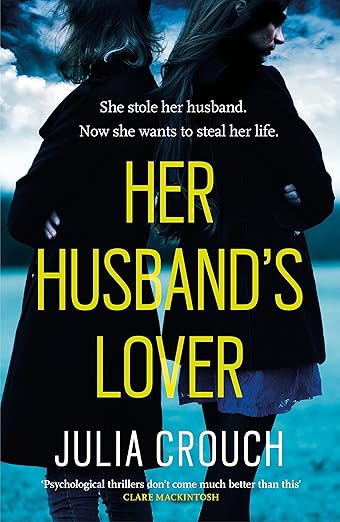
The term domestic noir was coined by British author Julia Crouch in 2013 to describe a particular strand of suspense novel that had been emerging without a proper name.
Unlike traditional crime stories that follow detectives, police officers, or hardboiled private investigators through mean streets and criminal underworlds, domestic noir turns the lens inward—focusing its unsettling gaze directly into the home.
At its core, domestic noir explores crime, betrayal, and danger as they unfold within families, marriages, and intimate relationships.
The conflicts are deeply personal, often centring on husbands and wives harbouring devastating secrets from one another.
These stories examine mothers and daughters locked in psychological power struggles that span generations.
They reveal neighbours whose friendly facades mask sinister intentions.
They introduce outsiders—lodgers, nannies, new friends—who infiltrate domestic spaces and threaten to destroy the fragile balance of a household.
In domestic noir, the most dangerous place isn’t a darkened alley or abandoned warehouse—it’s the kitchen where families gather for dinner, the living room where couples unwind after work, or the marital bed where trust should be absolute.
What Domestic Noir Is Not
Because domestic noir sits adjacent to other thriller categories, it’s frequently confused with them, making it worth clarifying what the genre isn’t.
Domestic noir isn’t a police procedural, despite sometimes featuring crime.
You won’t typically find detectives or investigators driving the plot forward with forensic evidence and witness interviews.
When the police do appear, they’re usually peripheral figures, called in only after the psychological damage has been done and the family unit has already fractured beyond repair.
It isn’t cosy crime, though both genres might feature everyday, familiar settings.
Where cosy mysteries offer comfort through their predictable restoration of order, domestic noir tends towards darker, more unsettling territory.
These stories often end without neat resolution, leaving readers with lingering unease rather than satisfaction.
Domestic noir isn’t pure romance, despite relationships forming the heart of every narrative.
The marriages and partnerships depicted are flawed, toxic, or outright dangerous rather than aspirational or redemptive.
Love in domestic noir is complicated by obsession, control, and betrayal.
Domestic Noir vs Psychological Thrillers
Understanding how domestic noir relates to the broader psychological thriller category helps clarify its unique position in the literary landscape.
The two genres frequently overlap, and many books can comfortably be described as both, yet important distinctions exist.
A psychological thriller is any story that places the human mind at the centre of its suspense.
This broad category might involve serial killers with complex pathologies, stalkers driven by obsession, or unreliable narrators whose perceptions we cannot trust.
The settings for psychological thrillers vary widely—from corporate offices to remote hotels, from psychiatric hospitals to wilderness cabins.
Domestic noir, by contrast, narrows its focus considerably.
The psychology remains central, but the domestic space—home, marriage, family—becomes the essential battleground.
Where psychological thrillers might paint across a wide canvas of locations and scenarios, domestic noir zooms in on the kitchen table, the school gate, the neighbourhood watch meeting.
Put simply, all domestic noir novels are psychological in nature, but not all psychological thrillers qualify as domestic noir.
The domestic setting isn’t merely backdrop in these stories—it’s integral to the horror.
Domestic Noir vs Domestic Thrillers
Another label you’ll frequently encounter is domestic thriller, and while the terms are sometimes used interchangeably, a subtle but meaningful distinction exists between them.
A domestic thriller tends to emphasise pace and external plot mechanics above all else.
These stories often feature missing children, explosive affairs, sudden betrayals, or shocking last-page twists that reframe everything that came before.
They’re thriller-first, domestic-second, prioritising momentum and surprise over atmospheric dread.
Domestic noir, conversely, leans harder into atmosphere, character psychology, and claustrophobia.
These narratives explore how lies corrode relationships over time, how trust unravels thread by thread in intimate settings.
They’re less concerned with what happens next than with why it’s happening and what it reveals about the characters involved.
Think of domestic thrillers as faster-moving, high-concept stories designed to keep pages turning at breakneck speed.
Domestic noir operates as a slower burn, darker and more emotionally grounded, interested in the accumulation of small betrayals as much as dramatic revelations.
Why Domestic Noir Works
Domestic noir resonates so powerfully because it taps into universal fears that transcend cultural and social boundaries.
Most readers will never face a serial killer or uncover an international conspiracy, but everyone understands the vulnerability inherent in family life.
The genre transforms the familiar into something threatening.
Home is supposed to be our sanctuary, the place where we can drop our guards and be ourselves.
When the threat emerges from within that safe space—from the spouse who shares our bed or the neighbour who borrows sugar—the effect is profoundly unsettling.
The stakes in domestic noir are intensely relatable.
Instead of world-ending catastrophes or political intrigue, these stories threaten what most people value most: a marriage destroyed by deception, a child manipulated against a parent, a reputation ruined by carefully planted rumours.
The everyday realism of domestic noir settings—suburban streets, school runs, supermarket aisles—allows readers to easily imagine themselves within the story.
We recognise these spaces because we inhabit them daily, making the intrusion of danger feel viscerally possible.
Betrayals and obsessions become exponentially more shocking when they occur between people who share meals, raise children together, or wave to each other over garden fences.
The Rise of Domestic Noir
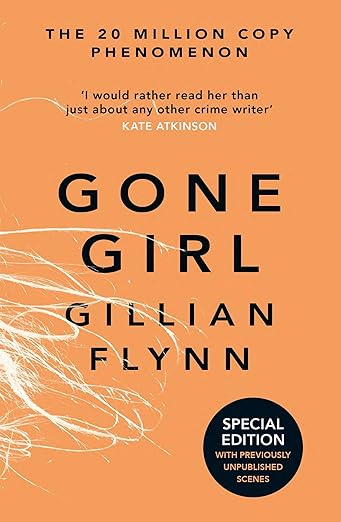
The genre truly exploded into mainstream consciousness with the global phenomenon of Gillian Flynn’s Gone Girl in 2012.
While Flynn herself never used the term domestic noir, her novel crystallised everything the genre could achieve: a toxic marriage dissected with surgical precision, unreliable narration that keeps readers constantly off-balance, and shocking revelations that emerge naturally from the domestic framework.
The novel’s success demonstrated an enormous appetite for stories that examined the dark underbelly of seemingly perfect relationships.
Following Flynn’s breakthrough, a wave of authors, particularly in the UK, embraced and developed domestic noir as a distinct literary category.
Publishers recognised the commercial potential, readers couldn’t get enough, and what might have been a passing trend solidified into an established genre.
The appetite for these dark domestic tales hasn’t diminished in the years since.
If anything, the genre has grown more sophisticated, with authors finding new ways to explore the tensions and terrors of home life.
Leading Authors in Domestic Noir
For readers looking to explore domestic noir’s depths, several authors have become synonymous with the genre’s best qualities.
Julia Crouch deserves recognition not only for coining the term but for writing some of its earliest and most influential examples.
Her novels Cuckoo and Every Vow You Break established many of the genre’s foundational elements.
Paula Hawkins achieved massive success with The Girl on the Train in 2015, a novel that has become almost as definitional to the genre as Gone Girl.
Her portrayal of obsession, alcoholism, and fractured domestic life resonated with millions of readers worldwide.
Louise Candlish has carved out a particular niche exploring neighbourly suspicion and suburban menace.
Her novels Our House and The Other Passenger excel at revealing the darkness lurking beneath respectable facades.
Lisa Jewell masterfully blends family drama with genuinely disturbing secrets.
Books like Then She Was Gone and The Family Upstairs demonstrate her ability to make ordinary family dynamics feel deeply unsettling.
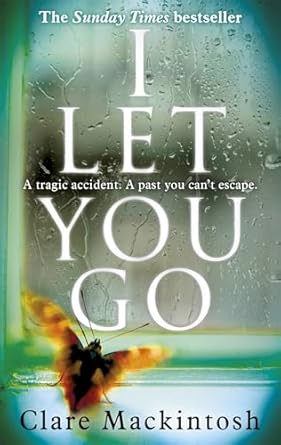
Clare Mackintosh brings exceptional emotional intensity to her thrillers, often centring on family tragedy and its far-reaching consequences.
Her work shows how domestic noir can be both suspenseful and deeply moving.
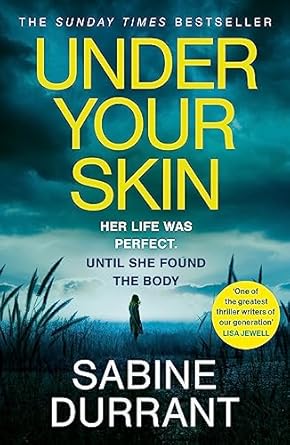
Sabine Durrant specialises in twisty narratives where seemingly ordinary relationships mask dangerous truths.
Her novels demonstrate how skilled plotting can enhance rather than overshadow character development.
BA Paris made an immediate impact with her debut Behind Closed Doors, which presents a classic domestic noir premise: the marriage that appears perfect from the outside but conceals horror within.
Key Tropes and Their Power
While every novel brings its unique perspective, certain tropes appear repeatedly throughout domestic noir, serving as the genre’s building blocks.
The unreliable narrator has become almost synonymous with domestic noir.
These narrators force readers to question every revelation, never quite trusting the voice guiding them through the story.
The intruder figure—whether lodger, nanny, teacher, or new neighbour—represents the threat that penetrates domestic barriers.
These characters exploit the trust inherent in domestic arrangements, using proximity to destroy from within.
The perfect marriage facade explores the gap between public presentation and private reality.
These stories reveal how couples can maintain immaculate appearances while their relationships rot from the inside.
The tension between paranoia and genuine danger keeps readers constantly uncertain.
Is the protagonist losing their grip on reality, or is there legitimate cause for their growing fear?
The claustrophobic setting—a house, school, or small village—creates pressure-cooker environments where there’s no escape from mounting tensions.
These tropes aren’t clichés when handled skillfully—they’re endlessly adaptable tools that skilled writers reshape for each new narrative.
Why Readers Keep Coming Back
The continued success of domestic noir lies in its ability to reflect everyday anxieties in heightened, dramatic form.
Marriage, parenting, friendship, neighbourhood dynamics—all provide fertile ground for suspense when examined through the genre’s dark lens.
At its best, domestic noir poses questions we’re often afraid to confront in our own lives.
How well do we really know the people closest to us?
What secrets might our partners be hiding behind their familiar smiles?
What if the danger we fear isn’t lurking outside but already sitting at our dinner table?
How far would we go to protect the people we love, and what would we sacrifice to maintain our carefully constructed lives?
Readers return to domestic noir because it provides both recognition and catharsis.
We see our own lives reflected in these pages—our own marriages, friendships, and family dynamics—but safely contained within fiction’s boundaries.
The genre allows us to explore our darkest fears about betrayal and deception while remaining secure in our reading chairs.
Final Thoughts
Domestic noir has evolved from a unnamed tendency in crime fiction to a firmly established genre with its own conventions, masters, and devoted readership.
It stands distinct from yet overlaps with psychological thrillers and domestic thrillers, offering readers uniquely dark, intimate stories about betrayal, obsession, and the frightening fragility of trust.
The genre’s power lies in its ability to transform the safest spaces—our homes—into sites of psychological terror.
If you find yourself drawn to books where long-buried secrets fester behind closed doors, where ordinary suburban homes conceal extraordinary lies, and where family life becomes the ultimate battlefield, then domestic noir offers exactly the kind of unsettling, addictive reading experience you’re seeking.
The genre shows no signs of losing its appeal because the fears it explores—betrayal by those we trust most, danger in the places we should feel safest—remain fundamentally, universally human.
As long as we continue to seek sanctuary in our homes and solace in our relationships, domestic noir will continue to remind us how easily that comfort can transform into horror.
Essential Domestic Noir Reads
If you’re looking to dive into the heart of domestic noir, these titles are a perfect place to start. Each one showcases the genre’s tension, intimacy, and unsettling look at family life.
Gone Girl by Gillian Flynn
The book that catapulted domestic noir into the mainstream. A toxic marriage, unreliable narrators, and a shocking twist that redefined the genre.
A chilling domestic thriller where an adoptive mother must fight to keep her daughter safe from the child’s manipulative birth mother. Perfect for fans of Lisa Jewell, Louise Candlish, and Shari Lapena.
Domestic noir is a subgenre of crime and suspense fiction that focuses on danger, betrayal, and secrets within the home or family. The conflicts are intimate—marriages, parenting, and close relationships—rather than centred on police investigations or global conspiracies.
How is domestic noir different from a psychological thriller?
All domestic noir novels are psychological in nature, but not all psychological thrillers are domestic noir. A psychological thriller might involve stalkers, serial killers, or conspiracies in any setting, while domestic noir specifically grounds the suspense in everyday life—kitchens, schools, bedrooms, and neighbourhoods.
Is domestic noir the same as a domestic thriller?
Not quite. A domestic thriller often prioritises pace and high-stakes external events (kidnappings, shocking twists). Domestic noir usually leans more on atmosphere, claustrophobia, and character psychology. The line can blur, and many books fit both categories.
What are the key themes of domestic noir?
Toxic relationships
Secrets between couples or families
Paranoia and mistrust
The “intruder” who disrupts family life (such as a lodger, nanny, neighbour, or ex-partner)
The dangers hidden in seemingly ordinary homes
Why is domestic noir so popular?
It resonates with readers because the fears it depicts are recognisable. Most of us will never face a serial killer, but we understand betrayal, the fragility of trust, and the fear of losing those closest to us. The genre turns ordinary life into something unsettling and addictive.
Who are the top domestic noir authors?
Well-known names include Gillian Flynn (Gone Girl), Paula Hawkins (The Girl on the Train), Lisa Jewell (Then She Was Gone), Louise Candlish (Our House), BA Paris (Behind Closed Doors), and Julia Crouch, who first coined the term “domestic noir.”
What kind of reader will enjoy domestic noir?
If you enjoy character-driven stories, shocking twists, and the unsettling sense that danger lurks behind closed doors, domestic noir is for you. Fans of psychological suspense, domestic thrillers, and dark family dramas will feel right at home.
Does domestic noir always involve murder?
No. While some novels do feature murder, others focus on lies, gaslighting, betrayal, or manipulation without anyone dying. The tension often comes from emotional and psychological stakes rather than purely physical danger.
Are domestic noir books always set in the UK?
Not exclusively, though many of the best-known examples are British. The genre works anywhere, as long as the focus is on intimate domestic settings. You’ll find authors from across the world writing in this style too.
Discover why J. Cronshaw set his new domestic thriller The Teacher in Bare, a close-knit village near Morecambe. From the Village Club to the promenade, The Little Bare, and the chippy, explore how the village feel shapes this tense story of secrets, lies, and obsession. Out 11 October 2025.
When I first started writing The Teacher, I knew I needed a setting that would heighten the tension of the story.
Somewhere ordinary, familiar, and close-knit—because domestic thrillers are at their most unsettling when the danger isn’t in some distant city, but right on your doorstep.
Bare is a small village that sits snugly on the edge of Morecambe. It has its own rhythm and identity, a tight community where people know each other’s names, faces, and habits.
That closeness creates the perfect environment for a novel about secrets, whispers, and the kind of gossip that can tilt a family’s life off balance.
I know Bare well.
I spent many evenings at the Village Club when I was part of the Speakers’ Club. It’s one of those places where you get a real sense of the heartbeat of the community—locals gathering, stories being shared, and reputations made or broken over a pint.
It has the same warmth and camaraderie that makes Bare feel like home, but also the same intensity that means nothing stays hidden for long.
The geography of Bare also appealed to me.
You can wander along the promenade and in ten minutes find yourself at the Eric Morecambe statue, but somehow the village feels contained, almost like its own world.
The chippy, the pub, and the micro pub The Little Bare all serve as social anchors—places where people meet, watch, and talk.
For a writer, those spaces are goldmines: the chance encounters, the knowing looks, the snippets of conversation that ripple outwards until the whole village seems to be in on a story.
That sense of being watched, of living under a magnifying glass, runs through The Teacher.
Isabel Draper, my protagonist, has what looks like a perfect family life, until her daughter’s new teacher begins to creep into their world. He’s charming, dedicated, and admired by everyone.
Soon Olivia, Isabel’s daughter, is calling him her favourite teacher and sharing secrets she won’t tell her own mother.
As money goes missing, rumours spread, and social workers start asking questions, Isabel finds herself doubted by everyone around her.
Bare is the ideal stage for that unraveling.
In a small, self-contained community, one whisper can be as damaging as proof, and once a story takes root it’s almost impossible to shake.
By setting the novel here, I wanted to capture that claustrophobic intensity, where the promenade might offer views out to the wide expanse of the bay, but the village itself closes in tight.
The Teacher will be released on October 11.
It’s a story about family, trust, and the danger that comes when someone admired by everyone else is the very person you should fear.
Discover why Heysham Village, with its close-knit community, historic Anglo-Saxon graves, and dramatic coastline, became the perfect setting for J. Cronshaw’s domestic thriller Her Daughter’s Mother.
When I sat down to write Her Daughter’s Mother, I knew straight away the story needed to be anchored somewhere real.Somewhere with atmosphere. Somewhere with a sense of history pressing against the present.
Heysham is just a stone’s throw from where I live in Morecambe, and it’s a place I return to again and again with my wife, son, and Guide Dog. We walk there often, sometimes in the sunshine, more often in the rain, and each visit reminds me why it makes such a powerful setting for a domestic thriller.
Heysham is small. That’s part of its appeal. Unlike a bustling city where people can vanish into the crowd, Heysham feels like a community where everyone knows everyone else. Neighbours talk. Gossip travels quickly. There’s a sense that secrets are harder to keep when lives overlap so closely.
For Her Daughter’s Mother, I wanted to create a story where the boundaries felt tight, where Sally’s world was closing in.
A small village provides that naturally. The school gates, the shops, the narrow streets—they’re all places where chance encounters feel inevitable. You can’t simply cross town to avoid someone. If Robyn, the birth mother, wants to insert herself into Sally’s life, Heysham gives her the perfect stage.
Heysham isn’t just a pretty village—it carries the weight of centuries. Walking through its lanes, you’re never far from reminders of the past. Old stone cottages huddle together, their walls weathered by sea winds. The church of St Peter stands as it has for hundreds of years, its churchyard lined with tilted gravestones.
And then there are the Anglo-Saxon rock graves near St Patrick’s Chapel. Cut directly into the stone, overlooking the sea, they are stark, haunting reminders of lives long gone. No bodies remain, of course, but the outlines suggest children, adults, families resting side by side. The first time I saw them I felt a chill—history carved into the very bedrock.
Those graves make an appearance in the novel, not simply as a backdrop but as a symbol. They carry the weight of continuity, of people buried within sight of the sea for more than a millennium.
They remind us how fragile our lives are, how fleeting. For Sally, struggling to hold on to her daughter, those graves echo her fear of loss, her sense that forces beyond her control are pulling Amelia away.
Heysham sits on the edge of Morecambe Bay, its coastline rugged and changeable. At low tide the sands stretch out endlessly, but the bay is treacherous—channels shift, quicksand lurks, and the tide sweeps in faster than you think. The place is beautiful, but it demands respect.
For me, the coastline is more than scenery. It’s mood. On a bright day, the sea glitters with promise. On a grey day, when the wind lashes in from the Irish Sea, it feels harsh and unforgiving. That duality mirrors the tension in Her Daughter’s Mother: love and warmth colliding with fear and suspicion.
Another reason I chose Heysham is its sense of being both connected and cut off. It’s not far from Morecambe or Lancaster, but once you’re in the village, the pace slows. The streets narrow, the cottages lean in. There’s a sense of being tucked away from the wider world.
That atmosphere is perfect for a story about obsession and intrusion. Sally thinks she has built a safe, contained life for her daughter, but Heysham becomes a pressure cooker. Robyn isn’t a distant threat—she’s right there, standing at the school gates, walking down the same lanes, smiling at the same neighbours. The village magnifies every encounter until escape feels impossible.
It also mattered to me that Heysham is somewhere personal. I know the curve of its paths, the feel of the stones underfoot, the way the sea smells when the tide is out.
When I write, I want the setting to feel lived in, not painted from a postcard. By choosing Heysham, I could bring in those textures and details—how the air shifts when you pass the churchyard, how the village green gathers people on summer afternoons, how the cliffs open up to sweeping views across the bay.
When I walk there with my wife, son, and Guide Dog, I’m not only enjoying the scenery—I’m absorbing its rhythms. I notice how quiet the village gets in the evening, how shadows stretch across the cottages, how the sound of the sea underpins everything. All of that fed into the novel, giving it a groundedness I couldn’t have achieved otherwise.
What I love about Heysham is that it lingers in the imagination. Visitors often remember the graves, the church, the coastal views—but what stays with me is the atmosphere. It’s the feeling that you’re standing in a place where countless lives have unfolded, where stories have played out across generations.
In Her Daughter’s Mother, Sally feels her world shrinking. She’s fighting not only Robyn but also the judgement of neighbours, the sideways glances, the whispers. Heysham gave me the perfect stage for that drama: a village where history, community, and isolation collide.
Choosing Heysham Village as the setting wasn’t just about convenience, though it helps that it’s close enough for regular walks. It was about finding a place that could carry the story’s weight. A small, self-contained community where tension festers. A village steeped in history, where Anglo-Saxon graves look out across the sea. A coastline both beautiful and dangerous.
For me, Heysham embodies the balance of intimacy and threat that defines domestic thrillers. It’s a place I love, a place I walk with my family, but also a place that holds shadows—the perfect backdrop for a story about obsession, betrayal, and the fight to hold on to what matters most.