Her Daughter’s Mother by J. Cronshaw is out now on Kindle, Kindle Unlimited, and Paperback. A gripping domestic thriller of obsession, betrayal, and the fight to protect a child. Start reading today.
I’m thrilled to announce that my brand-new domestic thriller, Her Daughter’s Mother, is now available on Kindle, Kindle Unlimited, and Paperback.
If you enjoy twisty psychological suspense, chilling domestic noir, and the kind of story that keeps you turning the pages late into the night, this is the book for you.
★★★★★ – “Boy can he write. He drags you right into the scenes like you are actually there. Shows you what makes people “tick”. The story drags you in, wraps itself around you, then, finally, spits you out at then end going “wow!”
★★★★★ – “Wow, this is a very well written, scary story. Loved it!”
★★★★★ – “My heart was breaking for Sally and Amelia, I couldn’t put the book down I needed to know how all their lives turned out.”
★★★★★ – “Wow!! What a read!! This is the first book I have read by this author but it definitely won’t be the last. Her Daughter’s Mother was a roller coaster of a ride that I will recommend to everyone.”
★★★★★ – “I don’t think this psychological thriller will leave me for quite some time.”
The story
What if another woman tried to take your place as “Mummy”?
Sally Bentham thought adoption made her family safe. She was wrong.
After years of heartbreak, she finally has the life she dreamed of—a daughter who fills her world with love.
But when a new teaching assistant arrives at Amelia’s school, everything begins to unravel.
Robyn Clarke is charming. Capable. Trusted by everyone. And she isn’t just a teaching assistant—she’s Amelia’s birth mother.
Now Robyn is everywhere. At the school gates. Whispering in Amelia’s ear. Smiling at the neighbours. Each day, she draws Sally’s daughter closer.
Everyone tells Sally she’s paranoid. Everyone insists she should be grateful. But how can a mother stay calm when someone else is determined to take her child?
Why you should read it today
If you’ve ever loved the claustrophobic tension of Lisa Jewell, the shocking twists of Louise Candlish, or the compulsive suspense of Shari Lapena, Her Daughter’s Mother will be your next obsession.
This isn’t just a story about motherhood. It’s about obsession, betrayal, and the terrifying lengths people will go to for love. It’s a book designed to grip you from the first page and not let go until the final line.
Readers are already saying it’s “compulsive,” “unputdownable,” and “the kind of thriller that lingers long after the last page.”
Available now
You can get your copy right now:
Kindle — instant download, start reading in seconds
Kindle Unlimited — read for free if you’re a member
Paperback — a beautiful edition delivered straight to your door
Discover the world of domestic noir in this in-depth guide. Learn what defines the genre, how it differs from psychological thrillers, explore essential domestic noir reads including Her Daughter’s Mother by J. Cronshaw, and get answers to common questions about this addictive style of suspense fiction.
Domestic noir has emerged as one of the most compelling subgenres in contemporary crime and suspense fiction over the past decade.
You’ve undoubtedly encountered it dominating bestseller lists, igniting passionate book club debates, and spawning gripping television adaptations that keep viewers glued to their screens.
How does it distinguish itself from the broader categories of psychological thrillers and domestic thrillers?
And which authors are shaping and defining this increasingly popular field?
In this exploration, I’ll unpack the essential elements of domestic noir—examining what it is, what it isn’t, and why it continues to captivate readers with its dark, intimate portraits of danger lurking within our most trusted spaces.
Defining Domestic Noir
The term domestic noir was coined by British author Julia Crouch in 2013 to describe a particular strand of suspense novel that had been emerging without a proper name.
Unlike traditional crime stories that follow detectives, police officers, or hardboiled private investigators through mean streets and criminal underworlds, domestic noir turns the lens inward—focusing its unsettling gaze directly into the home.
At its core, domestic noir explores crime, betrayal, and danger as they unfold within families, marriages, and intimate relationships.
The conflicts are deeply personal, often centring on husbands and wives harbouring devastating secrets from one another.
These stories examine mothers and daughters locked in psychological power struggles that span generations.
They reveal neighbours whose friendly facades mask sinister intentions.
They introduce outsiders—lodgers, nannies, new friends—who infiltrate domestic spaces and threaten to destroy the fragile balance of a household.
In domestic noir, the most dangerous place isn’t a darkened alley or abandoned warehouse—it’s the kitchen where families gather for dinner, the living room where couples unwind after work, or the marital bed where trust should be absolute.
What Domestic Noir Is Not
Because domestic noir sits adjacent to other thriller categories, it’s frequently confused with them, making it worth clarifying what the genre isn’t.
Domestic noir isn’t a police procedural, despite sometimes featuring crime.
You won’t typically find detectives or investigators driving the plot forward with forensic evidence and witness interviews.
When the police do appear, they’re usually peripheral figures, called in only after the psychological damage has been done and the family unit has already fractured beyond repair.
It isn’t cosy crime, though both genres might feature everyday, familiar settings.
Where cosy mysteries offer comfort through their predictable restoration of order, domestic noir tends towards darker, more unsettling territory.
These stories often end without neat resolution, leaving readers with lingering unease rather than satisfaction.
Domestic noir isn’t pure romance, despite relationships forming the heart of every narrative.
The marriages and partnerships depicted are flawed, toxic, or outright dangerous rather than aspirational or redemptive.
Love in domestic noir is complicated by obsession, control, and betrayal.
Domestic Noir vs Psychological Thrillers
Understanding how domestic noir relates to the broader psychological thriller category helps clarify its unique position in the literary landscape.
The two genres frequently overlap, and many books can comfortably be described as both, yet important distinctions exist.
A psychological thriller is any story that places the human mind at the centre of its suspense.
This broad category might involve serial killers with complex pathologies, stalkers driven by obsession, or unreliable narrators whose perceptions we cannot trust.
The settings for psychological thrillers vary widely—from corporate offices to remote hotels, from psychiatric hospitals to wilderness cabins.
Domestic noir, by contrast, narrows its focus considerably.
The psychology remains central, but the domestic space—home, marriage, family—becomes the essential battleground.
Where psychological thrillers might paint across a wide canvas of locations and scenarios, domestic noir zooms in on the kitchen table, the school gate, the neighbourhood watch meeting.
Put simply, all domestic noir novels are psychological in nature, but not all psychological thrillers qualify as domestic noir.
The domestic setting isn’t merely backdrop in these stories—it’s integral to the horror.
Domestic Noir vs Domestic Thrillers
Another label you’ll frequently encounter is domestic thriller, and while the terms are sometimes used interchangeably, a subtle but meaningful distinction exists between them.
A domestic thriller tends to emphasise pace and external plot mechanics above all else.
These stories often feature missing children, explosive affairs, sudden betrayals, or shocking last-page twists that reframe everything that came before.
They’re thriller-first, domestic-second, prioritising momentum and surprise over atmospheric dread.
Domestic noir, conversely, leans harder into atmosphere, character psychology, and claustrophobia.
These narratives explore how lies corrode relationships over time, how trust unravels thread by thread in intimate settings.
They’re less concerned with what happens next than with why it’s happening and what it reveals about the characters involved.
Think of domestic thrillers as faster-moving, high-concept stories designed to keep pages turning at breakneck speed.
Domestic noir operates as a slower burn, darker and more emotionally grounded, interested in the accumulation of small betrayals as much as dramatic revelations.
Why Domestic Noir Works
Domestic noir resonates so powerfully because it taps into universal fears that transcend cultural and social boundaries.
Most readers will never face a serial killer or uncover an international conspiracy, but everyone understands the vulnerability inherent in family life.
The genre transforms the familiar into something threatening.
Home is supposed to be our sanctuary, the place where we can drop our guards and be ourselves.
When the threat emerges from within that safe space—from the spouse who shares our bed or the neighbour who borrows sugar—the effect is profoundly unsettling.
The stakes in domestic noir are intensely relatable.
Instead of world-ending catastrophes or political intrigue, these stories threaten what most people value most: a marriage destroyed by deception, a child manipulated against a parent, a reputation ruined by carefully planted rumours.
The everyday realism of domestic noir settings—suburban streets, school runs, supermarket aisles—allows readers to easily imagine themselves within the story.
We recognise these spaces because we inhabit them daily, making the intrusion of danger feel viscerally possible.
Betrayals and obsessions become exponentially more shocking when they occur between people who share meals, raise children together, or wave to each other over garden fences.
The Rise of Domestic Noir
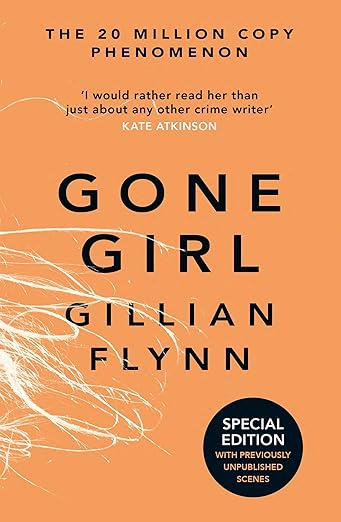
The genre truly exploded into mainstream consciousness with the global phenomenon of Gillian Flynn’s Gone Girl in 2012.
While Flynn herself never used the term domestic noir, her novel crystallised everything the genre could achieve: a toxic marriage dissected with surgical precision, unreliable narration that keeps readers constantly off-balance, and shocking revelations that emerge naturally from the domestic framework.
The novel’s success demonstrated an enormous appetite for stories that examined the dark underbelly of seemingly perfect relationships.
Following Flynn’s breakthrough, a wave of authors, particularly in the UK, embraced and developed domestic noir as a distinct literary category.
Publishers recognised the commercial potential, readers couldn’t get enough, and what might have been a passing trend solidified into an established genre.
The appetite for these dark domestic tales hasn’t diminished in the years since.
If anything, the genre has grown more sophisticated, with authors finding new ways to explore the tensions and terrors of home life.
Leading Authors in Domestic Noir
For readers looking to explore domestic noir’s depths, several authors have become synonymous with the genre’s best qualities.
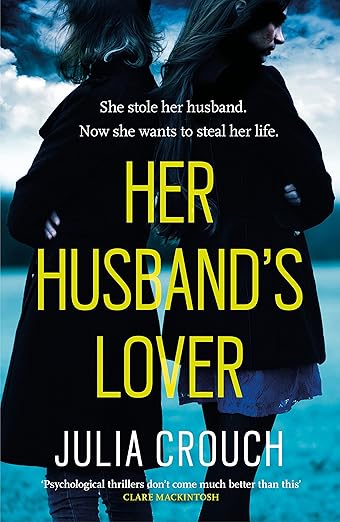
Julia Crouch deserves recognition not only for coining the term but for writing some of its earliest and most influential examples.
Her novels Cuckoo and Every Vow You Break established many of the genre’s foundational elements.
Paula Hawkins achieved massive success with The Girl on the Train in 2015, a novel that has become almost as definitional to the genre as Gone Girl.
Her portrayal of obsession, alcoholism, and fractured domestic life resonated with millions of readers worldwide.
Louise Candlish has carved out a particular niche exploring neighbourly suspicion and suburban menace.
Her novels Our House and The Other Passenger excel at revealing the darkness lurking beneath respectable facades.
Lisa Jewell masterfully blends family drama with genuinely disturbing secrets.
Books like Then She Was Gone and The Family Upstairs demonstrate her ability to make ordinary family dynamics feel deeply unsettling.
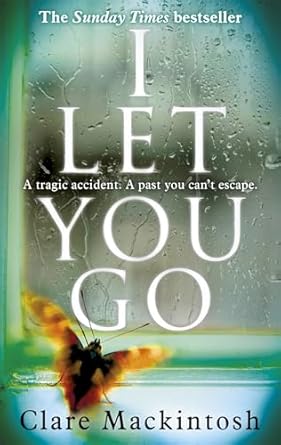
Clare Mackintosh brings exceptional emotional intensity to her thrillers, often centring on family tragedy and its far-reaching consequences.
Her work shows how domestic noir can be both suspenseful and deeply moving.
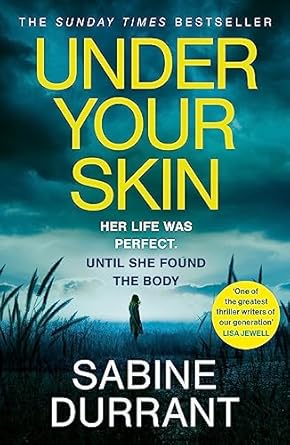
Sabine Durrant specialises in twisty narratives where seemingly ordinary relationships mask dangerous truths.
Her novels demonstrate how skilled plotting can enhance rather than overshadow character development.
BA Paris made an immediate impact with her debut Behind Closed Doors, which presents a classic domestic noir premise: the marriage that appears perfect from the outside but conceals horror within.
Key Tropes and Their Power
While every novel brings its unique perspective, certain tropes appear repeatedly throughout domestic noir, serving as the genre’s building blocks.
The unreliable narrator has become almost synonymous with domestic noir.
These narrators force readers to question every revelation, never quite trusting the voice guiding them through the story.
The intruder figure—whether lodger, nanny, teacher, or new neighbour—represents the threat that penetrates domestic barriers.
These characters exploit the trust inherent in domestic arrangements, using proximity to destroy from within.
The perfect marriage facade explores the gap between public presentation and private reality.
These stories reveal how couples can maintain immaculate appearances while their relationships rot from the inside.
The tension between paranoia and genuine danger keeps readers constantly uncertain.
Is the protagonist losing their grip on reality, or is there legitimate cause for their growing fear?
The claustrophobic setting—a house, school, or small village—creates pressure-cooker environments where there’s no escape from mounting tensions.
These tropes aren’t clichés when handled skillfully—they’re endlessly adaptable tools that skilled writers reshape for each new narrative.
Why Readers Keep Coming Back
The continued success of domestic noir lies in its ability to reflect everyday anxieties in heightened, dramatic form.
Marriage, parenting, friendship, neighbourhood dynamics—all provide fertile ground for suspense when examined through the genre’s dark lens.
At its best, domestic noir poses questions we’re often afraid to confront in our own lives.
How well do we really know the people closest to us?
What secrets might our partners be hiding behind their familiar smiles?
What if the danger we fear isn’t lurking outside but already sitting at our dinner table?
How far would we go to protect the people we love, and what would we sacrifice to maintain our carefully constructed lives?
Readers return to domestic noir because it provides both recognition and catharsis.
We see our own lives reflected in these pages—our own marriages, friendships, and family dynamics—but safely contained within fiction’s boundaries.
The genre allows us to explore our darkest fears about betrayal and deception while remaining secure in our reading chairs.
Final Thoughts
Domestic noir has evolved from a unnamed tendency in crime fiction to a firmly established genre with its own conventions, masters, and devoted readership.
It stands distinct from yet overlaps with psychological thrillers and domestic thrillers, offering readers uniquely dark, intimate stories about betrayal, obsession, and the frightening fragility of trust.
The genre’s power lies in its ability to transform the safest spaces—our homes—into sites of psychological terror.
If you find yourself drawn to books where long-buried secrets fester behind closed doors, where ordinary suburban homes conceal extraordinary lies, and where family life becomes the ultimate battlefield, then domestic noir offers exactly the kind of unsettling, addictive reading experience you’re seeking.
The genre shows no signs of losing its appeal because the fears it explores—betrayal by those we trust most, danger in the places we should feel safest—remain fundamentally, universally human.
As long as we continue to seek sanctuary in our homes and solace in our relationships, domestic noir will continue to remind us how easily that comfort can transform into horror.
Essential Domestic Noir Reads
If you’re looking to dive into the heart of domestic noir, these titles are a perfect place to start. Each one showcases the genre’s tension, intimacy, and unsettling look at family life.
Gone Girl by Gillian Flynn
The book that catapulted domestic noir into the mainstream. A toxic marriage, unreliable narrators, and a shocking twist that redefined the genre.
A chilling domestic thriller where an adoptive mother must fight to keep her daughter safe from the child’s manipulative birth mother. Perfect for fans of Lisa Jewell, Louise Candlish, and Shari Lapena.
Domestic noir is a subgenre of crime and suspense fiction that focuses on danger, betrayal, and secrets within the home or family. The conflicts are intimate—marriages, parenting, and close relationships—rather than centred on police investigations or global conspiracies.
How is domestic noir different from a psychological thriller?
All domestic noir novels are psychological in nature, but not all psychological thrillers are domestic noir. A psychological thriller might involve stalkers, serial killers, or conspiracies in any setting, while domestic noir specifically grounds the suspense in everyday life—kitchens, schools, bedrooms, and neighbourhoods.
Is domestic noir the same as a domestic thriller?
Not quite. A domestic thriller often prioritises pace and high-stakes external events (kidnappings, shocking twists). Domestic noir usually leans more on atmosphere, claustrophobia, and character psychology. The line can blur, and many books fit both categories.
What are the key themes of domestic noir?
Toxic relationships
Secrets between couples or families
Paranoia and mistrust
The “intruder” who disrupts family life (such as a lodger, nanny, neighbour, or ex-partner)
The dangers hidden in seemingly ordinary homes
Why is domestic noir so popular?
It resonates with readers because the fears it depicts are recognisable. Most of us will never face a serial killer, but we understand betrayal, the fragility of trust, and the fear of losing those closest to us. The genre turns ordinary life into something unsettling and addictive.
Who are the top domestic noir authors?
Well-known names include Gillian Flynn (Gone Girl), Paula Hawkins (The Girl on the Train), Lisa Jewell (Then She Was Gone), Louise Candlish (Our House), BA Paris (Behind Closed Doors), and Julia Crouch, who first coined the term “domestic noir.”
What kind of reader will enjoy domestic noir?
If you enjoy character-driven stories, shocking twists, and the unsettling sense that danger lurks behind closed doors, domestic noir is for you. Fans of psychological suspense, domestic thrillers, and dark family dramas will feel right at home.
Does domestic noir always involve murder?
No. While some novels do feature murder, others focus on lies, gaslighting, betrayal, or manipulation without anyone dying. The tension often comes from emotional and psychological stakes rather than purely physical danger.
Are domestic noir books always set in the UK?
Not exclusively, though many of the best-known examples are British. The genre works anywhere, as long as the focus is on intimate domestic settings. You’ll find authors from across the world writing in this style too.
Discover why J. Cronshaw set his new domestic thriller The Teacher in Bare, a close-knit village near Morecambe. From the Village Club to the promenade, The Little Bare, and the chippy, explore how the village feel shapes this tense story of secrets, lies, and obsession. Out 11 October 2025.
When I first started writing The Teacher, I knew I needed a setting that would heighten the tension of the story.
Somewhere ordinary, familiar, and close-knit—because domestic thrillers are at their most unsettling when the danger isn’t in some distant city, but right on your doorstep.
Bare is a small village that sits snugly on the edge of Morecambe. It has its own rhythm and identity, a tight community where people know each other’s names, faces, and habits.
That closeness creates the perfect environment for a novel about secrets, whispers, and the kind of gossip that can tilt a family’s life off balance.
I know Bare well.
I spent many evenings at the Village Club when I was part of the Speakers’ Club. It’s one of those places where you get a real sense of the heartbeat of the community—locals gathering, stories being shared, and reputations made or broken over a pint.
It has the same warmth and camaraderie that makes Bare feel like home, but also the same intensity that means nothing stays hidden for long.
The geography of Bare also appealed to me.
You can wander along the promenade and in ten minutes find yourself at the Eric Morecambe statue, but somehow the village feels contained, almost like its own world.
The chippy, the pub, and the micro pub The Little Bare all serve as social anchors—places where people meet, watch, and talk.
For a writer, those spaces are goldmines: the chance encounters, the knowing looks, the snippets of conversation that ripple outwards until the whole village seems to be in on a story.
That sense of being watched, of living under a magnifying glass, runs through The Teacher.
Isabel Draper, my protagonist, has what looks like a perfect family life, until her daughter’s new teacher begins to creep into their world. He’s charming, dedicated, and admired by everyone.
Soon Olivia, Isabel’s daughter, is calling him her favourite teacher and sharing secrets she won’t tell her own mother.
As money goes missing, rumours spread, and social workers start asking questions, Isabel finds herself doubted by everyone around her.
Bare is the ideal stage for that unraveling.
In a small, self-contained community, one whisper can be as damaging as proof, and once a story takes root it’s almost impossible to shake.
By setting the novel here, I wanted to capture that claustrophobic intensity, where the promenade might offer views out to the wide expanse of the bay, but the village itself closes in tight.
The Teacher will be released on October 11.
It’s a story about family, trust, and the danger that comes when someone admired by everyone else is the very person you should fear.
Pre-order The Teacher, a gripping new domestic thriller by J. Cronshaw. Out October 12 on Kindle, this chilling psychological suspense novel will keep you turning the pages until the shocking final twist.
I’m thrilled to let you know that my brand-new domestic thriller, The Teacher, is now available to pre-order on Kindle.
The book will be released on October 12.
If you love chilling psychological thrillers about family secrets, lies, and obsession, this one’s for you.
About the Book
How far would you go to protect your child?
Isabel Draper thought her family was safe. A husband she could depend on. Two children she adored. A respectable life on the edge of Morecambe Bay.
Then her daughter’s new teacher entered their lives.
Charming. Dedicated. Admired by everyone. Soon Olivia is calling him her favourite teacher, sharing secrets she won’t tell her own mother.
But the closer he gets, the more Isabel’s world begins to unravel.
Money goes missing. Gossip spreads. Social workers start asking questions.
Her husband says she’s imagining things. The neighbours say she’s drinking too much.
But Isabel knows what she sees. And she knows this teacher will stop at nothing to get what he wants.
A tense, addictive domestic thriller of secrets, lies, and obsession — perfect for fans of Shari Lapena, Lisa Jewell, and K.L. Slater.
If you enjoyed Her Daughter’s Mother or The Lodger, you won’t want to miss this one. It’s dark, gripping, and will keep you guessing until the very end.
Order today and be one of the first readers to uncover the secret on October 12.
Discover why Skipton, North Yorkshire, with its castle, canal, and atmosphere, makes the perfect setting for a domestic thriller. Author J. Cronshaw shares his rain-soaked visit and how a disrupted train journey sparked new story ideas.
Skipton is a place that stays with you. Nestled on the edge of the Yorkshire Dales, it carries the weight of history in its castle walls and the quiet unease of the canal waters that slip past its stone terraces.
For a writer of domestic thrillers, Skipton offers something invaluable: a setting where the ordinary meets the unsettling, where a picture-postcard town hides layers of tension just beneath the surface.
At first glance, Skipton is the kind of place that inspires postcards and weekend breaks. The cobbled high street bustles with market stalls. Independent shops sit shoulder to shoulder with old coaching inns.
There’s an undeniable charm in the way the town balances the everyday rhythms of life with its deep historical roots.
But charm can be deceptive.
A town like Skipton offers exactly the sort of backdrop domestic thrillers thrive on.
Behind the neatly painted doors and tidy gardens, there’s always the suggestion of secrets waiting to be uncovered.
The streets are narrow enough that you can feel eyes on you as you walk. The stone houses and looming hills seem to hold their breath. For a writer, that sense of closeness, of watching and being watched, is gold.
Skipton Castle dominates the town centre, its weathered towers and imposing gates a reminder of centuries of conflict and survival.
Inside, the echo of footsteps along cold corridors feels both grounding and eerie. You can almost imagine a character slipping into one of its shadowy chambers, secrets clutched tight, trying to escape a pursuer.
The castle’s presence also feeds into the psychology of a thriller. It looms over the town, a silent guardian and a silent witness.
For residents, it’s part of the scenery, but for a writer, it’s a constant reminder of power, control, and the hidden histories every town carries.
The idea that life continues under the shadow of such a structure is ripe for metaphor—families carrying on with school runs and shopping trips while centuries of intrigue linger in the stones above.
If the castle anchors Skipton in its past, the canal adds a quieter, more deceptive energy.
On the surface, the Leeds–Liverpool Canal offers serenity. Narrowboats drift by. Ducks scuttle along the banks. Walkers stop to feed the swans. It all looks peaceful.
But canals are liminal spaces—neither entirely natural nor entirely man-made. Their stillness can feel oppressive, their depths uncertain.
For thrillers, they provide the perfect setting for secrets: a body weighted down and left to the water’s silence, a clandestine meeting on a towpath, a narrowboat carrying someone who wants to disappear.
Standing by the canal in Skipton, you can feel the possibilities pressing in.
Of course, location scouting doesn’t always go to plan. My most recent visit to Skipton took place on one of those North Yorkshire days where the rain falls steadily, soaking through coats and umbrellas alike.
I’d spent the day wandering the high street, sheltering under market awnings, and watching the castle glisten in the downpour. By the time I made my way back to the station for the 18:10 train to Morecambe, I was ready to be home.
The train didn’t make it past Gargrave.
We sat on the line in the wet dark, the carriage filled with the kind of uneasy silence only shared inconveniences can create. Eventually, the train reversed back to Skipton, depositing us once again at the station we’d just left behind.
For some, this might have been nothing more than a frustration. But as a writer, I found myself seeing the story potential. A train that begins an escape, only to be turned back to its point of departure, is almost allegorical.
Imagine a character desperate to flee—from a crime, a secret, a betrayal—only to find themselves right back where they started, forced to face the very thing they were trying to leave behind.
I ended up waiting around the station until after 9pm, when a replacement bus finally arrived. By the time I got home, it was close to 10:30pm, the kind of late return that leaves you weary but thoughtful.
The day, despite its frustrations, reminded me why Skipton works so well for domestic thrillers. It’s a town defined by contrasts. The castle represents permanence, the canal represents movement—and both carry an undercurrent of threat when viewed through the lens of suspense.
Even my disrupted journey became part of the experience. Domestic thrillers often thrive on the ordinary turned uncanny: a train journey home that doesn’t go where it should, a cosy house that isn’t safe, a trusted neighbour who isn’t what they seem.
Skipton has all the elements: history, geography, and a lived-in realism that makes its secrets feel believable.
I may have returned to Morecambe later than planned, but the time in Skipton—both wandering its rain-slicked streets and lingering in its station—fed directly into my creative process.
It reminded me that settings aren’t just backdrops; they’re characters in themselves. Skipton, with its castle, canal, and quiet sense of watchfulness, is exactly the kind of place where a domestic thriller can unfold.
So while my shoes may have been soaked and my train plans derailed, I came back with something far more valuable: inspiration.
Discover why Heysham Village, with its close-knit community, historic Anglo-Saxon graves, and dramatic coastline, became the perfect setting for J. Cronshaw’s domestic thriller Her Daughter’s Mother.
When I sat down to write Her Daughter’s Mother, I knew straight away the story needed to be anchored somewhere real.Somewhere with atmosphere. Somewhere with a sense of history pressing against the present.
Heysham is just a stone’s throw from where I live in Morecambe, and it’s a place I return to again and again with my wife, son, and Guide Dog. We walk there often, sometimes in the sunshine, more often in the rain, and each visit reminds me why it makes such a powerful setting for a domestic thriller.
Heysham is small. That’s part of its appeal. Unlike a bustling city where people can vanish into the crowd, Heysham feels like a community where everyone knows everyone else. Neighbours talk. Gossip travels quickly. There’s a sense that secrets are harder to keep when lives overlap so closely.
For Her Daughter’s Mother, I wanted to create a story where the boundaries felt tight, where Sally’s world was closing in.
A small village provides that naturally. The school gates, the shops, the narrow streets—they’re all places where chance encounters feel inevitable. You can’t simply cross town to avoid someone. If Robyn, the birth mother, wants to insert herself into Sally’s life, Heysham gives her the perfect stage.
Heysham isn’t just a pretty village—it carries the weight of centuries. Walking through its lanes, you’re never far from reminders of the past. Old stone cottages huddle together, their walls weathered by sea winds. The church of St Peter stands as it has for hundreds of years, its churchyard lined with tilted gravestones.
And then there are the Anglo-Saxon rock graves near St Patrick’s Chapel. Cut directly into the stone, overlooking the sea, they are stark, haunting reminders of lives long gone. No bodies remain, of course, but the outlines suggest children, adults, families resting side by side. The first time I saw them I felt a chill—history carved into the very bedrock.
Those graves make an appearance in the novel, not simply as a backdrop but as a symbol. They carry the weight of continuity, of people buried within sight of the sea for more than a millennium.
They remind us how fragile our lives are, how fleeting. For Sally, struggling to hold on to her daughter, those graves echo her fear of loss, her sense that forces beyond her control are pulling Amelia away.
Heysham sits on the edge of Morecambe Bay, its coastline rugged and changeable. At low tide the sands stretch out endlessly, but the bay is treacherous—channels shift, quicksand lurks, and the tide sweeps in faster than you think. The place is beautiful, but it demands respect.
For me, the coastline is more than scenery. It’s mood. On a bright day, the sea glitters with promise. On a grey day, when the wind lashes in from the Irish Sea, it feels harsh and unforgiving. That duality mirrors the tension in Her Daughter’s Mother: love and warmth colliding with fear and suspicion.
Another reason I chose Heysham is its sense of being both connected and cut off. It’s not far from Morecambe or Lancaster, but once you’re in the village, the pace slows. The streets narrow, the cottages lean in. There’s a sense of being tucked away from the wider world.
That atmosphere is perfect for a story about obsession and intrusion. Sally thinks she has built a safe, contained life for her daughter, but Heysham becomes a pressure cooker. Robyn isn’t a distant threat—she’s right there, standing at the school gates, walking down the same lanes, smiling at the same neighbours. The village magnifies every encounter until escape feels impossible.
It also mattered to me that Heysham is somewhere personal. I know the curve of its paths, the feel of the stones underfoot, the way the sea smells when the tide is out.
When I write, I want the setting to feel lived in, not painted from a postcard. By choosing Heysham, I could bring in those textures and details—how the air shifts when you pass the churchyard, how the village green gathers people on summer afternoons, how the cliffs open up to sweeping views across the bay.
When I walk there with my wife, son, and Guide Dog, I’m not only enjoying the scenery—I’m absorbing its rhythms. I notice how quiet the village gets in the evening, how shadows stretch across the cottages, how the sound of the sea underpins everything. All of that fed into the novel, giving it a groundedness I couldn’t have achieved otherwise.
What I love about Heysham is that it lingers in the imagination. Visitors often remember the graves, the church, the coastal views—but what stays with me is the atmosphere. It’s the feeling that you’re standing in a place where countless lives have unfolded, where stories have played out across generations.
In Her Daughter’s Mother, Sally feels her world shrinking. She’s fighting not only Robyn but also the judgement of neighbours, the sideways glances, the whispers. Heysham gave me the perfect stage for that drama: a village where history, community, and isolation collide.
Choosing Heysham Village as the setting wasn’t just about convenience, though it helps that it’s close enough for regular walks. It was about finding a place that could carry the story’s weight. A small, self-contained community where tension festers. A village steeped in history, where Anglo-Saxon graves look out across the sea. A coastline both beautiful and dangerous.
For me, Heysham embodies the balance of intimacy and threat that defines domestic thrillers. It’s a place I love, a place I walk with my family, but also a place that holds shadows—the perfect backdrop for a story about obsession, betrayal, and the fight to hold on to what matters most.
Read the opening chapter of Her Daughter’s Mother, a gripping domestic thriller set in Heysham Village. Follow Sally Bentham as her joy at a perfect school drop-off collides with an unsettling first encounter with a new teaching assistant who knows more than she should.
The school gates used to make my stomach knot, but this morning I actually smile as Amelia races ahead of me, her ponytail bouncing with each skip.
“Bye, Mummy!” she shouts over her shoulder, not even slowing as she spots her friend Katie by the playground fence.
No clinging to my leg, no tears, no pleading to come home with me. Just pure five-year-old confidence as she disappears into the throng of children streaming through Heysham Primary’s green iron gates.
I stand there clutching her empty book bag—the third time this week she’s forgotten it in her excitement—and can’t help but grin. That girl could forget her own head if it wasn’t screwed on, but remembers every single detail about the caterpillars in her classroom terrarium. She’ll spend the car journey home tonight describing their latest movements with wild hand gestures that nearly knock over her juice box.
Mrs Wainwright, Amelia’s teacher, catches my eye and waves. “She’s doing brilliantly, Mrs Bentham!” she calls out, and the warmth in her voice makes my chest swell with proper maternal pride.
Look at her now—chattering away with Katie about something that requires dramatic arm waving and infectious giggles. In reception, Amelia would sob at drop-off, her small fingers wrapped around mine so tightly I’d have marks for hours afterwards. I used to watch other parents with their confident children and wonder if we’d ever get there.
But we did. We bloody well did.
The adoption process tested every ounce of patience I possessed. Three years of forms and assessments, social workers examining every corner of our lives like we were applying to join MI5—and I still managed to misplace my passport.
Before that, two rounds of IVF that wrung me out and had David walking on eggshells while trying to be kind. Those waiting rooms full of pregnant women nearly did me in—listening to complaints about morning sickness while my body refused to cooperate with the simplest biological function.
Then Amelia arrived clutching a stuffed rabbit that smelled of someone else’s washing powder.
For the first year or so, I’d lie awake wondering if the fierce love I felt was enough, if she’d ever truly feel like mine. The guilt about those doubts still catches me sometimes, but watching her race towards her classroom without a backward glance, I know we’ve built something real.
She calls me Mummy without hesitation. She reaches for my hand in crowds. She lets me brush her hair while she chatters about her day.
We made it.
The September drizzle starts up again—that particular Morecambe Bay dampness that makes tourists flee back to their cars while locals just flip up their hoods.
I probably look like every helicopter-parent cliché, lingering at the gates long after the sensible ones have left to get on with their days. But I’m not quite ready to let go of this moment.
Near the Reception entrance, another mother crouches beside a tearful boy who’s clearly having a wobble about going in. Her voice carries that particular patience you develop when your child’s having a public meltdown. I remember those days with a pang of sympathy. My hand twitches with the urge to pass her a tissue from my bag.
“She’s really settled, hasn’t she?”
I turn to find Paula Morrison beside me, her son Jake in Amelia’s class. She’s one of the mums who’ve been genuinely lovely since we arrived—never asking awkward questions about Amelia’s background, just treating us like any other family. That kindness means more than she knows.
“She has,” I say, surprised by how normal my voice sounds. “I keep waiting for something to go wrong, but she’s just…happy.”
Paula laughs. “That’s motherhood for you. The worry never stops, even when everything’s perfect.”
The word ‘motherhood’ sits warm in my chest. She said it like it obviously applies to me, like I’m not some imposter playing dress-up in someone else’s life.
As Paula heads off to her car, calling something about coffee on Friday, I allow myself a moment of pure contentment. My daughter is safe and happy in her classroom, probably already deep in conversation about those blessed caterpillars.
Time to stop hovering like an overprotective mother hen.
“Oh, Mrs Bentham! Sorry, Sally, isn’t it?”
The voice behind me is warm, confident, with a slight Lancashire accent that sounds local but not quite. I turn to find a woman I don’t recognise—early thirties, auburn hair pulled back in a practical ponytail, wearing the navy polo shirt that marks her as school staff.
“Yes, that’s right,” I say, shifting my umbrella to shake the hand she’s offering.
“I’m Robyn Clarke, the new teaching assistant. I’ll be working with Reception and Year One.” Her handshake is firm, her smile bright despite the drizzle. “I’ve been helping Amelia with her reading. She’s such a sweetheart—so eager to learn.”
“Oh, thank you. She loves books,” I hear myself responding automatically, but something about this woman makes me stand a little straighter. She has that easy confidence some people wear—you notice it immediately but can’t quite put your finger on what makes it so magnetic.
“She mentioned you and your husband adopted her.” Robyn’s tone is casual.
“Yes, we adopted her when she was six months.”
“How wonderful.” Her smile widens, and she touches my arm briefly—a gesture that should feel friendly but doesn’t quite. “She’s lucky to have found such a loving home. Some children never do.”
There’s something in the way she says it, a weight to the words that seems odd for casual school-gate chat.
But before I can respond, she’s already stepping back, waving to another parent.
“Lovely to meet you, Sally. I’m sure we’ll chat again soon.”
She walks towards the school building with purpose, stopping to greet other parents along the way. They respond to her like she’s been here for years rather than days—laughing at something she says, leaning in when she speaks.
I stand there for a moment longer, rain drumming on my umbrella. Something about the way she said Amelia was lucky didn’t sit right with me.
Probably nothing. If she knows our history, good. It might help her help Amelia.
Pre-order Her Daughter’s Mother, a gripping domestic thriller set in Heysham Village near Morecambe. Discover why this atmospheric seaside community with its Anglo-Saxon graves provides the perfect setting for a chilling story of obsession and betrayal.
I’m thrilled to announce that my domestic thriller, Her Daughter’s Mother, is now available to pre-order on Kindle.
The official release date is September 27, but you can secure your copy today.
This is one of my most personal novels yet, not only because of the characters and their struggles, but also because of where it’s set — Heysham Village, just a short 20-minute walk from my home in Morecambe.
Heysham has always fascinated me. It’s a small, tight-knit community with a self-contained feel, the kind of place where everyone seems to know one another.
That sense of closeness makes it the perfect backdrop for a story about obsession, betrayal, and the fragile line between safety and threat.
The village carries an atmosphere all of its own. Narrow lanes, ancient churches, windswept coastlines—it’s a place where history lingers in the air.
The famous Anglo-Saxon rock graves, carved into the cliffs above the sea, are a reminder of how long people have lived, loved, and been laid to rest here.
They also bring a haunting quality that felt right for a story about a mother fighting to protect her child at all costs.
In Her Daughter’s Mother, Sally Bentham thinks adoption has made her family safe.
But when Amelia’s birth mother appears at the school gates, her world begins to fracture.
It’s a tense, chilling tale set against the backdrop of Heysham’s unique character and history.
If you enjoy psychological suspense with a strong sense of place, you won’t want to miss this one. 👉 [Pre-order Her Daughter’s Mother on Kindle today]
Author J. Cronshaw shares how Lancaster, England, inspires the setting of his forthcoming domestic thriller The Nanny’s Secret, with real locations including the Millennium Bridge, Williamson Park, and Lancaster Castle.
I live in Morecambe, so Lancaster is part of my daily rhythm.
My son goes to school there. I meet friends in its cafés and pubs.
I cross the city’s streets so often that I sometimes forget how much atmosphere Lancaster holds—until I look at it through a storyteller’s eye.
When planning The Nanny’s Secret, I knew Lancaster had to be the setting.
It’s technically a city, but it has the scale and intimacy of a town.
You can walk from one side to the other in less than half an hour.
That compactness makes it perfect for a domestic thriller: a place where everyone knows each other, or thinks they do, and secrets spread quickly behind terraced walls.
The locations are real, and they’ll appear on the page just as I’ve walked them.
The Millennium Bridge, stretching over the River Lune, where the water runs cold and grey beneath.
The canal, with its towpaths leading you past quiet houses and under dripping stone bridges.
Williamson Park, with its winding paths, hidden corners, and the Ashton Memorial looming above like a silent witness.
I’ve spent evenings in the Gregson, a community pub that blends history with a lived-in warmth.
I’ve stood in Dalton Square on rainy nights, the statue of Queen Victoria keeping watch as taxis queue and conversations slip into arguments.
I’ve walked the grounds of Lancaster Castle, its dark walls carrying centuries of confinement, punishment, and judgement.
The city has a way of shifting with the weather.
On a bright day, it’s full of charm—Georgian architecture, lively markets, and the hum of students from the university.
But when the rain sweeps in from the Bay, the streets glisten with a different energy.
The river turns restless, the alleys grow darker, and the terraces seem to hold their secrets tighter.
That duality is what makes Lancaster perfect for The Nanny’s Secret.
It’s familiar yet unsettling. Respectable yet shadowed. A place where the everyday can so easily turn ominous.
Behind closed doors, stories hide.
And in Lancaster, the streets themselves seem ready to whisper them.
Author J. Cronshaw shares a location scouting trip to Lytham, Lancashire, uncovering the perfect setting for his next domestic thriller. Victorian terraces, coastal respectability, and secrets waiting
I took a trip down the coast from Morecambe to spend a few days in Lytham, Lancashire.
The purpose wasn’t a holiday. It was research. I’ve had a story idea simmering for months, and I wanted to see if Lytham could carry the weight of it.
I hired an Airbnb on Agnew Street, a large Victorian terrace with character and just the right amount of faded grandeur.
The moment I walked through the door, I could see a family living there. Respectable on the surface. Shadows lurking in the corners.
The neighbourhood gave me plenty to work with. Agnew Street itself has that mix of comfort and unease.
Rows of terraces, each one holding its own secrets. Step outside and you’re in a middle-class community where appearances matter.
Jaguars, Audis, Range Rovers lined up like badges of success. All polished. All suggesting stability. But it’s exactly the kind of place where cracks can form beneath the gloss.
Just around the corner I found Serpentine Walk, a narrow alley that cuts along the train station car park.
Even the name feels loaded. I walked it during daylight, but I could picture it after dark.
A character taking a shortcut. Footsteps echoing. A shadow lingering too long.
The landmarks stood out as well. The windmill on the Green, picture-perfect.
The stretch of green itself, manicured and calm, overlooking the Ribble Estuary.
Lytham Hall with its history and grandeur. Lowther Pavilion with the statue of Bobby Ball keeping watch.
They all have an air of respectability, but I couldn’t stop thinking about what might be happening away from the stage, away from the neat lawns and theatre lights.
What struck me most about Lytham is how contained it feels. A small community. Everyone knows each other—or thinks they do.
It’s a place where secrets can thrive behind closed doors. Where the pressure to keep up appearances can become unbearable.
Where a single lie could ripple out across the whole town.
As I walked through the streets, I kept asking myself: who lives here? What are they hiding? And what happens when the façade slips?
Lytham gave me all the answers I needed. It’s the perfect setting for my next domestic thriller.
Claim Your Free Domestic Thriller Novella
If you’ve enjoyed this glimpse into my location scouting for future stories, you might like to get a free taste of my fiction.
When you join my newsletter, you’ll receive The Lodger, a gripping domestic thriller novella about secrets, lies, and the danger of letting the wrong person into your home.
It’s completely free for subscribers, and you’ll also get updates on my latest releases, behind-the-scenes insights, and exclusive offers.